


Author:Dr. Nailin Yao
First, set clear, meaningful goals before you start.
Don’t just drift into an activity—give it a destination and a reason. For example, instead of saying, “I’ll study for a while,” say, “I’m going to get into grad school within three months” or “I will pass the bar exam this year.” A concrete deadline acts like a spotlight: it keeps your attention locked on the target, unlike vague, open-ended plans that fade into tomorrow.
When a task has both a crisp objective and personal significance, focus stops being a struggle—it starts to feel as natural as breathing. And there’s a neurological reason for that.
Remember the executive network and the orienting network we talked about earlier? Think of them as your brain’s built-in GPS. They guide attention through a top-down mechanism—where “top” means the intentions you set, and “bottom” means the sensory inputs and actions you take in response to your environment. In short: you aim your mind, and your brain follows the map.
Here’s another everyday example: When you’re actively thinking about finding a puppy, you’ll start seeing dog-like shapes in the clouds without even trying. That’s because your brain has already drawn a mental template of what you’re looking for—it’s primed to pick up puppy-related cues and filter out the rest. The same logic applies to studying: when your goal is crystal clear, your brain acts like a GPS, automatically homing in on information that moves you forward. It’s like doing a jigsaw puzzle—if you’ve seen the final picture, you instinctively know which shapes and colors to focus on.
Second, tap into your natural curiosity to fuel focus.
Neuroscience shows that when we find something genuinely interesting, a tiny region in the brainstem called the locus coeruleus releases norepinephrine. This chemical not only sharpens the prefrontal cortex’s ability to concentrate, but also makes your pupils dilate—just like opening up a camera’s aperture to let in more light, so your brain takes in richer visual information.
Think about it: when you’re walking down the street and spot someone with striking features or a fluffy little animal, your gaze lingers involuntarily. That instinct is partly driven by evolutionary cues—attraction to certain traits, or a protective response to baby-like features. Right then, your brain is pumping out norepinephrine, turning your eyes into highdefinition cameras. The same thing happens when you’re reading a gripping passage in a book, or when a cute animal suddenly pops up in a tutorial video—your pupils subtly widen, a clear signal that your brain is locking onto what matters.
Third, cut down on environmental distractions.
I have a friend who graduated from Peking University’s elite Yuanpei College—a true academic star. But lately, he’s been struggling with focus. After two years in finance, his job has turned him into a 24/7 firefighter: urgent client calls at midnight, sudden market swings, crosstimezone meetings that demand instant replies. He’s always glued to his phone. The cost? His brain is constantly toggling between emails, calls, and spreadsheets—like a computer overloaded with background processes. His attention span has taken a real hit. He jokes that now, unless he completely unplugs from the internet and power, he can’t replicate the flow state he used to enjoy—studying for eight straight hours in the Peking University library. This story is a powerful reminder: even people with naturally strong focus can wear it down over time when they’re trapped in a nonstop multitasking environment.
Fourth, get moving—even for a few minutes.
Try this right now: stand up, do two minutes of jumping jacks, then sit back down. You’ll feel an almost immediate boost in concentration. This works for kids and seniors alike. A wealth of brain research shows that older adults who stick with regular aerobic exercise tend to perform better on memory tests and logical reasoning tasks. Exercise isn’t just good for your body—it’s brain fertilizer. It stimulates the release of precious brainderived neurotrophic factor (BDNF) and strengthens the collaboration between the brain’s default mode network and the prefrontal executive network, making your entire neural system run more smoothly and flexibly.
Remember what we touched on earlier? The default mode network is like your brain’s internal compass—it handles daydreaming, deep self-reflection, and sometimes even those looping, anxious thoughts. The prefrontal cortex, on the other hand, acts as your attention commander—its job is to zero in on what truly needs your focus at any given moment. When these two systems work well together, you gain better control over your attention: you can let your mind wander creatively when needed, and still pull it back to the task at hand the moment it counts.
Fifth, give meditation a try.
To understand why meditation works, let’s first look at a special structure deep inside your brain. Buried in the brainstem—the part that quietly manages your breathing, heartbeat, and other lifesustaining functions—there’s a cluster of neurons called the preBötzinger complex. This tiny region plays a key role in generating the rhythm of your breath. And here’s the fascinating link: meditation trains you to observe your breath intentionally, which in turn calms the brainstem and reduces the noise from your default mode network. Over time, this practice strengthens your ability to disengage from distractions and refocus—almost like a mental reset button that keeps your attention sharp and steady.

Researchers discovered in mouse studies that whenever the animals sighed, neurons in the preBötzinger complex fired up. But when these neurons were experimentally destroyed, the sighs stopped completely. This groundbreaking finding was first published in 2006. Over the next decade of research, scientists came to realize that this tiny cluster of neurons does much more than just regulate breathing rhythm—it’s also closely tied to our wakefulness and emotional calm.

How does this tiny cluster of breathing muscles affect our alertness? The key lies in its connection with the locus coeruleus. Look at those blue signal points in the diagram—they travel along specific neural pathways: first downward to regulate breathing rhythm, then upward to the wakefulness centers, and ultimately to the attentioncontrol regions. In short, this cluster acts like a traffic hub—managing breathing pace below, and coordinating alertness above.
Of all our bodily functions, breathing is the most extraordinary. Your heartbeat and digestion run on autopilot—you can’t will your heart to beat faster or consciously speed up digestion. But breathing is different: it’s the only autonomic function you can intentionally influence. When you don’t think about it, it carries on naturally; when you do, you can slow it down, speed it up, or deepen it at will.
Now we can see why meditation sharpens focus. The core of meditation is simply paying close attention to your breath, letting it grow deeper and slower through that focused awareness. This deliberate breathing engages the preBötzinger complex, which in turn sends signals through neural pathways to your brain’s arousal centers, ultimately helping you regulate your attention more effectively.
Sixth, use environmental pressure to your advantage. Remember the invertedU curve we mentioned earlier? The right amount of stress pushes your focus to its sweet spot. People who struggle with attention often instinctively create urgency to kick their focus into gear—and the rest of us can use the same trick.
You’ve probably experienced this: a task that could take three days somehow gets knocked out in one intense night before the deadline. That’s why we say “deadline is the ultimate productivity booster.” The pressure of an approaching due date activates your brain just enough to bring your executive attention network to peak performance—so you work faster and better.
If you’re prone to distraction, you can deliberately design such pressure for yourself. For example, if a task is due in three days, schedule your start time for exactly three days before the deadline. This gives you two advantages: the time pressure primes your focus for top quality, and it frees up any earlier window—whether for learning something new or simply relaxing—so you can be fully present in those moments too.
Beyond time pressure, social pressure from peers works wonders. Why do people love making public commitments? Because announcing a goal activates your brain’s social monitoring system. Think of study buddies preparing for grad school together—that shared accountability creates an invisible field of focus that helps everyone stay in the zone.
Even your environment can create productive stress. Being immersed in an Englishspeaking setting, for instance, forces your brain to stay highly focused just to communicate and get by. This kind of sustained language exposure is often more effective than deliberate study. The same principle applies to learning any skill—when the environment demands that you master it, your attention naturally locks onto the target like a spotlight.
Seventh, nourish your focus with the right foods. As a reader, you might wonder: are there specific foods that boost concentration? The first recommendation is foods rich in choline—like eggs, stirfried broccoli, and chicken, all common on our tables. Once ingested, choline is converted into acetylcholine, a neurotransmitter that’s especially important for your brain.
Acetylcholine is widely distributed throughout the brain, and it plays a regulatory role in the frontal lobes—the very regions that govern attention. Acetylcholine plays a critical role in sustaining attention and filtering distractions. When its levels are out of balance, focus becomes significantly more difficult.
Besides choline, don’t overlook glutamine—an amino acid that supports memory and concentration. You can find it in meat, dairy products like milk and cheese, and a variety of vegetables. A glass of milk at breakfast or a serving of sautéed greens at lunch are easy ways to get it.
As for overall eating patterns, consider the Mediterranean diet—widely recognized as one of the healthiest. Its core principles: base your meals on wholegrain bread, mixed grains, and legumes; cook with olive oil; include moderate amounts of yogurt and cheese; and snack on a handful of nuts. More specifically, aim for fish or poultry (white meat) 35 days a week, and limit red meat (pork, beef) to 12 times a week. This balance gives you complete nutrition without overloading your system. Remember: sometimes less is more.
Eighth, master the art of subtraction. After all these tips on boosting focus, there’s one crucial point that often gets overlooked—actively reducing your choices. Modern life presents us with a problem our ancestors never had: not too few options, but far too many.
Think back to our parents’ generation—shopping might have meant two or three choices at a local store, and decisions were made in a blink. Today, even buying a Tshirt online means scrolling through dozens of colors and hundreds of styles. This endless surplus of choice is quietly draining our precious attention reserves.
There’s a classic example from tech. Steve Jobs, the billionaire who created gamechanging products, famously wore the same black turtleneck every day—he bought enough for half a year at once. He wasn’t being frugal; he was cutting decisionmaking about trivial things down to zero, saving his mental energy for what truly mattered. Brain science backs this up: each day, we have only a limited supply of decisionmaking power. If you spend it picking outfits or choosing lunch, you’ll have less left when it’s time to tackle important work.
The same goes for attention. Many people feel they lack focus, but the real culprit might be overspending it on inconsequential choices. For instance, agonising over which font to use in a report, or repeatedly tweaking slide colours for a presentation—these seemingly thoughtful decisions eat away at your attention reserves.
This is especially true for those who are naturally distractible. Facing too many options is like trying to find your way through fog with nearsighted eyes. Instead of endlessly weighing alternatives, pick a direction and start moving. As the saying goes, “Done is better than perfect.” Once you choose, stick with it and push forward—that momentum is often worth far more than lingering at the starting line. After all, what truly matters isn’t the choice itself, but the sustained commitment that follows.
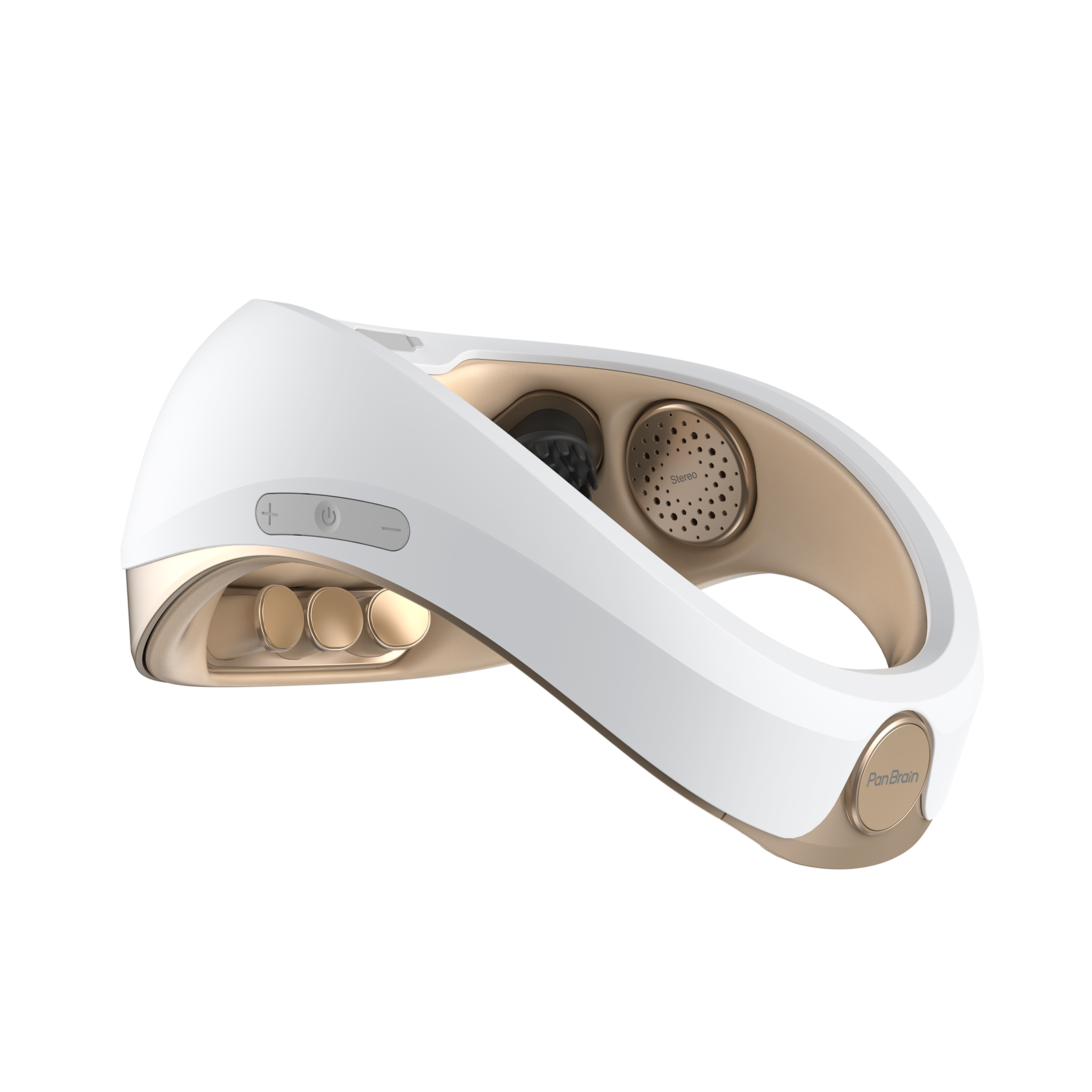
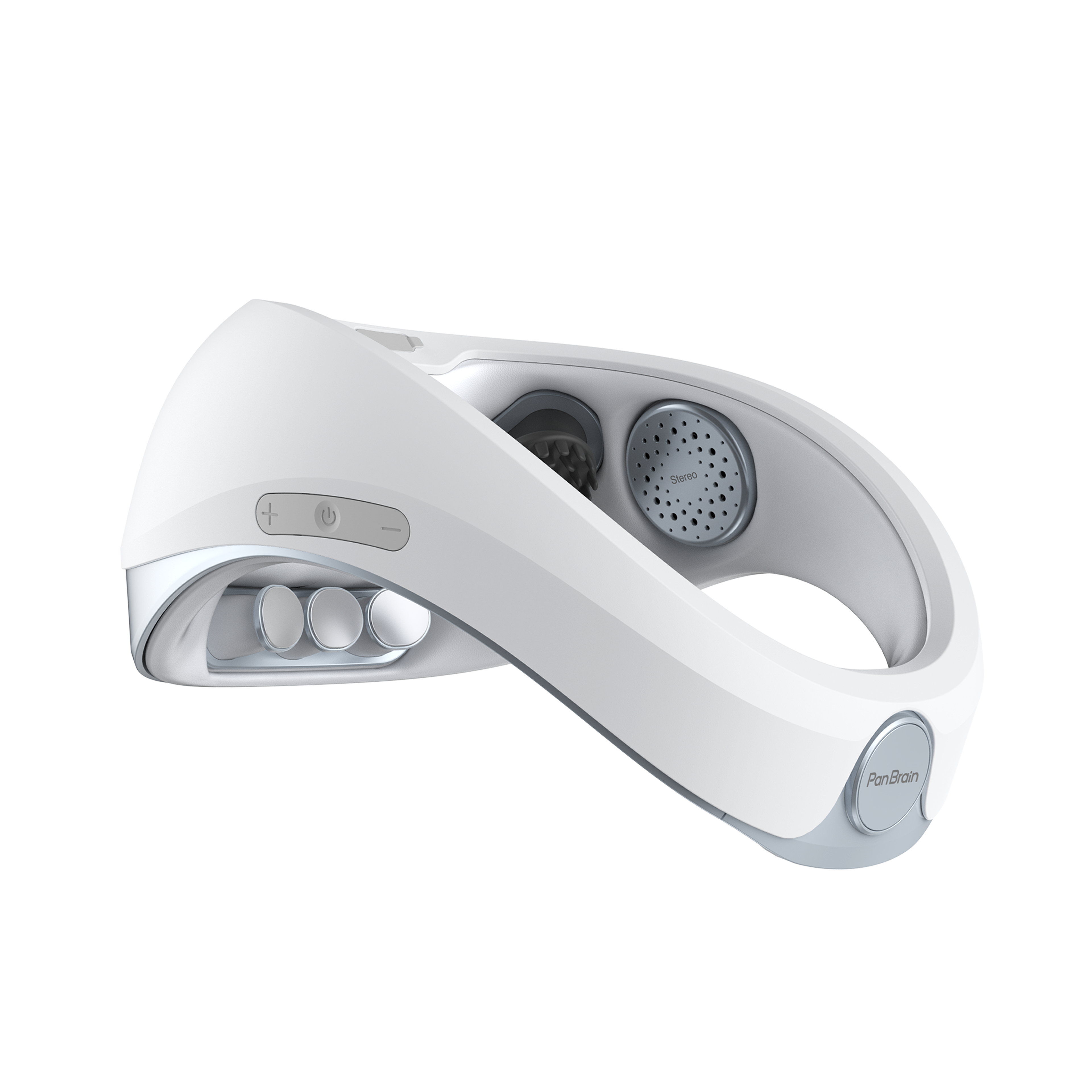
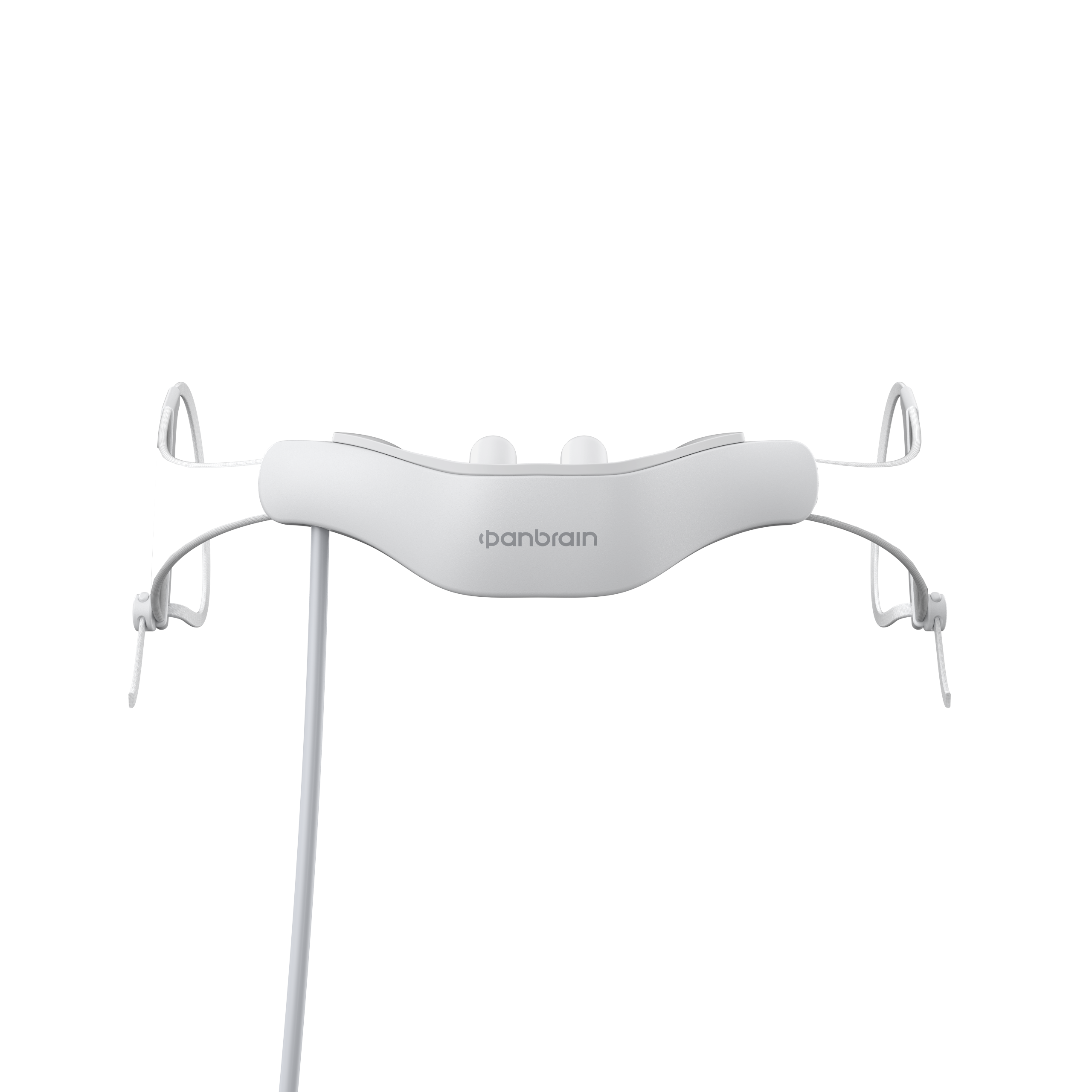
If you’re someone who tends to be sedentary and finds it hard to make active changes, this last approach might be just right for you: directly upgrading your prefrontal cortex with physical stimulation. Poor focus often stems from a weaker prefrontal cortex—whether it’s underdeveloped from birth or degraded over time due to unhealthy habits. You can tap into the Hebbian principle—neurons that fire together wire together—to reshape and strengthen your prefrontal neural networks. This technique is called transcranial electrical stimulation, a cuttingedge, noninvasive braincomputer interface technology now available in toptier hospitals and research centers . By delivering a mild electrical current to the prefrontal area, it stimulates adult neurons’ growth potential, promoting selfadjustment and optimization of prefrontal networks. If you’d like to experience this advanced technology at home, you can also use the Panbrain energy capsule—a homeuse transcranial electrical stimulation device developed by Dr. Yao Nailin (a Yale postdoctoral fellow) and her team, in collaboration with multiple research institutions over two years. It has received over a dozen national invention patents and certifications from both domestic and international labs, and has already benefited more than ten thousand users.
References
1Frömer R, et al. Expectations of reward and efficacy guide cognitive control allocation. Nature Communications. 2021;12:1030.
Unsworth, N., & McMillan, B. D. (2013). Mind wandering and reading comprehension: examining the roles of working memory capacity, interest, motivation, and topic experience. Journal of experimental psychology. Learning, memory, and cognition, 39(3), 832–842.
Stothart, C., Mitchum, A., & Yehnert, C. (2015). The attentional cost of receiving a cell phone notification. Journal of experimental psychology. Human perception and performance, 41(4), 893–897.
Hillman, C. H., Pontifex, M. B., Raine, L. B., Castelli, D. M., Hall, E. E., & Kramer, A. F. (2009). The effect of acute treadmill walking on cognitive control and academic achievement in preadolescent children. Neuroscience, 159(3), 1044–1054.
Mrazek, M. D., Franklin, M. S., Phillips, D. T., Baird, B., & Schooler, J. W. (2013). Mindfulness training improves working memory capacity and GRE performance while reducing mind wandering. Psychological science, 24(5), 776–781.
Lieske, S. P., & Ramirez, J. M. (2006). Pattern-specific synaptic mechanisms in a multifunctional network. II. Intrinsic modulation by metabotropic glutamate receptors. Journal of neurophysiology, 95(3), 1334–1344.
Shields, G. S., Rivers, A. M., Ramey, M. M., Trainor, B. C., & Yonelinas, A. P. (2019). Mild acute stress improves response speed without impairing accuracy or interference control in two selective attention tasks: Implications for theories of stress and cognition. Psychoneuroendocrinology, 108, 78–86.
Parikh, V., Kozak, R., Martinez, V., & Sarter, M. (2007). Prefrontal acetylcholine release controls cue detection on multiple timescales.
Valls-Pedret, C., Sala-Vila, A., Serra-Mir, M., Corella, D., de la Torre, R., Martínez-González, M. Á., Martínez-Lapiscina, E. H., Fitó, M., Pérez-Heras, A., Salas-Salvadó, J., Estruch, R., & Ros, E. (2015). Mediterranean Diet and Age-Related Cognitive Decline: A Randomized Clinical Trial. JAMA internal medicine, 175(7), 1094–1103.
Vohs, K. D., Baumeister, R. F., Schmeichel, B. J., Twenge, J. M., Nelson, N. M., & Tice, D. M. (2008). Making choices impairs subsequent self-control: a limited-resource account of decision making, self-regulation, and active initiative. Journal of personality and social psychology, 94(5), 883–898.
