
Background

Neuroscience.

Decoded.

Founded by a Yale Psychiatry Postdoctoral Fellow. Panbrain bridges the gap between professional-standard neuromodulation and daily peak performance.

Scroll Down
Our Origin

Born in the Lab.

Built for You.

Yale University

Founder - Nailin Yao

Yale University Psychiatry Postdoc

The human brain is an electrical and chemical masterpiece. For decades, advanced technologies like tDCS and PBM were confined to research labs and elite clinics.

At Panbrain, we believe cognitive optimization shouldn't be exclusive. Led by experts from Yale University, we have engineered these proven mechanisms into safe, non-invasive, and intuitive devices for your daily routine.

80+

Research Papers

20+

Years Research

100%

Non-Invasive

Technology 01

tDCS: Precision Tuning

for Your Neurons

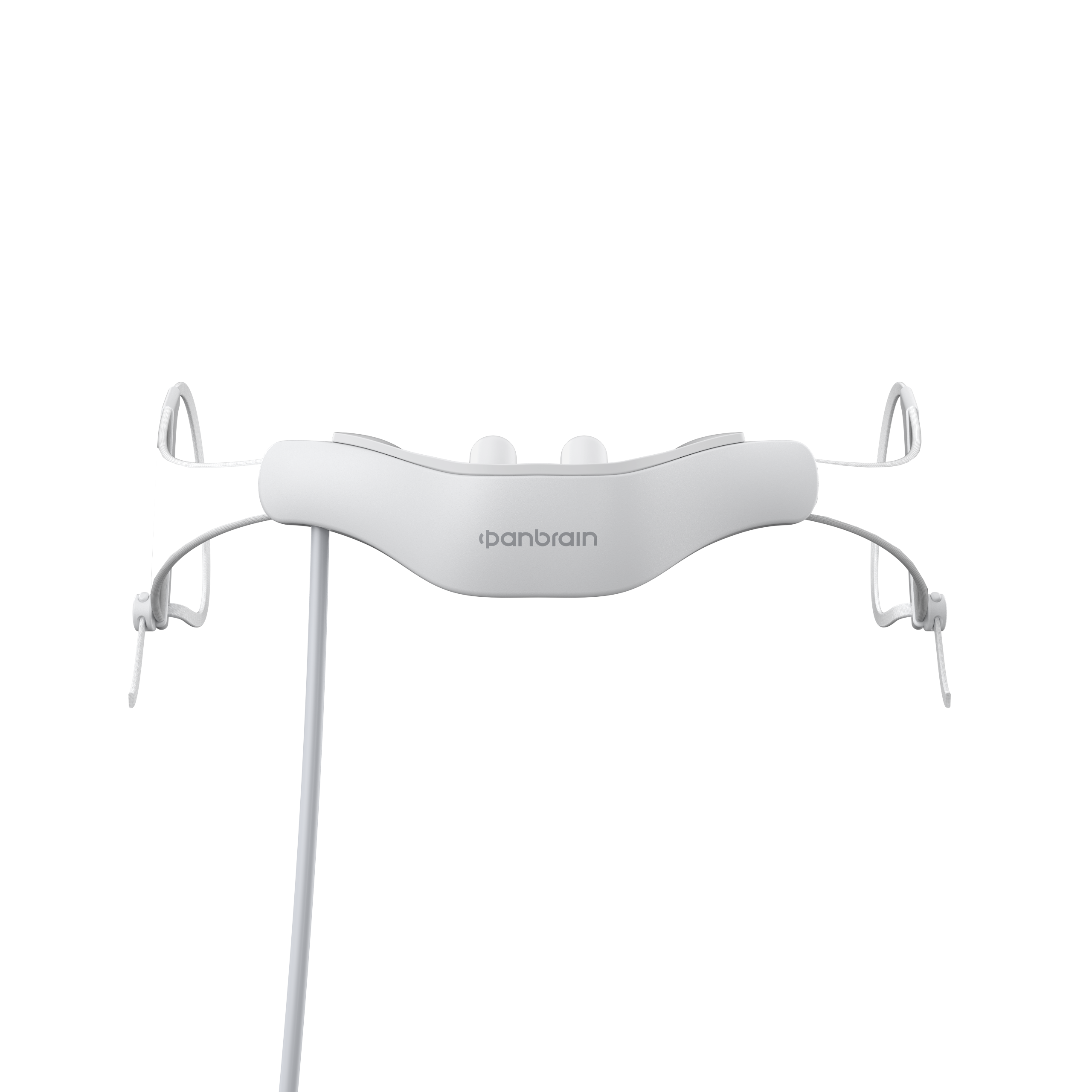
tDCS Device

Cognitive Performance Improvement

Performance Chart

How it works

Your brain cells communicate via electrical impulses. The Panbrain Energy Pod utilizes tDCS to deliver a micro-current - so gentle it’s barely perceptible - to specific cortical areas. This current modulates the "resting membrane potential" of your neurons.

What you feel

Think of it as "priming the engine." By lowering the threshold for neuronal firing, we make it easier for your brain to:

Focus

Enter Flow State

Enhance working memory and focus.

Flow

Regulate Mood

Balance cortical excitability to reduce stress.

Learning

Improve Sleep

Facilitate the transition into restful states.

Technology 02

810nm NIR: Powering the Brain’s

Power Plants

How It Works

Not all light is created equal. Our headset emits a specific wavelength of 810nm Near-Infrared Light. Unlike visible light, 810nm can penetrate the skull to reach the brain tissue. There, it targets the Mitochondria (the powerhouse of the cell) and stimulates the production of ATP (cellular energy) via Cytochrome C Oxidase.

What You Feel

This process is known as Photobiomodulation (PBM). It supports:

Cognitive Health

Long-term Cognitive Health

Protecting neurons from oxidative stress.

Metabolic Clearance

Metabolic Clearance

Aiding the brain glymphatic system in clearing waste.

Deep Restoration

Deep Restoration

Enhancing the quality of deep sleep phases.

NIR Brain

Light Spectrum

400nm 810nm NIR 1000nm

Clinical Standards.

Consumer Comfort.

Safety and efficacy are not optional. They are foundational.

Non Invasive

Non-Invasive & Painless

Both tDCS and NIR technologies are strictly non-invasive. No needles, no chemicals, just physics.

Thermal

Precision Engineered

Our 810nm wavelength is calibrated to within ±2nm to ensure maximum biological efficacy, unlike generic red light devices.

Eye Safety

Current Control

The Energy Pod features intelligent ramping technology to ensure the electrical stimulation remains comfortable and within safety protocols established by decades of research.

Icon

Backed by Decades

of Peer-Reviewed Studies

We stand on the shoulders of giants. While Panbrain brings the tech to you, the underlying science is validated by thousands of independent studies.

1

Nitsche, M. A., & Paulus, W. (2000)

Excitability changes induced in the human motor cortex by weak transcranial direct current stimulation

The Journal of Physiology, 527(3), 633-639

2

Hamblin, M. R. (2016)

Photobiomodulation: the mechanism of action

Biomedical Photonics Handbook, 2nd Edition, Chapter 12

3

Brunoni, A. R., et al. (2012)

Clinical research with tDCS: challenges and future directions

Brain Stimulation, 5(3), 175-195

These represent a curated selection of peer-reviewed studies. The full body of research comprises many publications spanning multiple decades and institutions worldwide.

Ready to Upgrade

Your Mind?

Experience the convergence of Yale-level neuroscience and cutting-edge engineering.

EC

PanBrain EC1 or EC2

tDCS technology for enhanced focus, flow states, and cognitive performance.

from $1299 /device
Shop
Lume

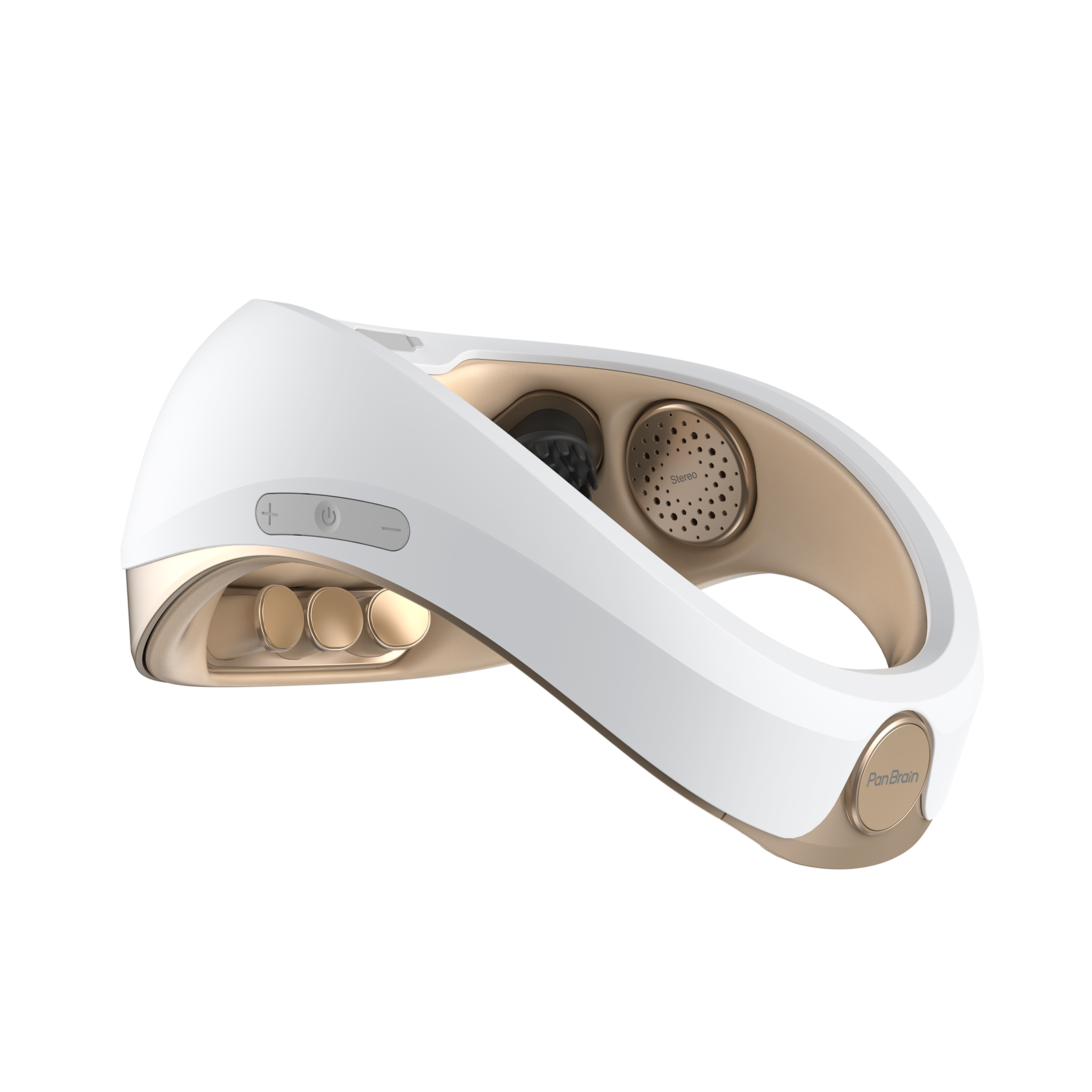
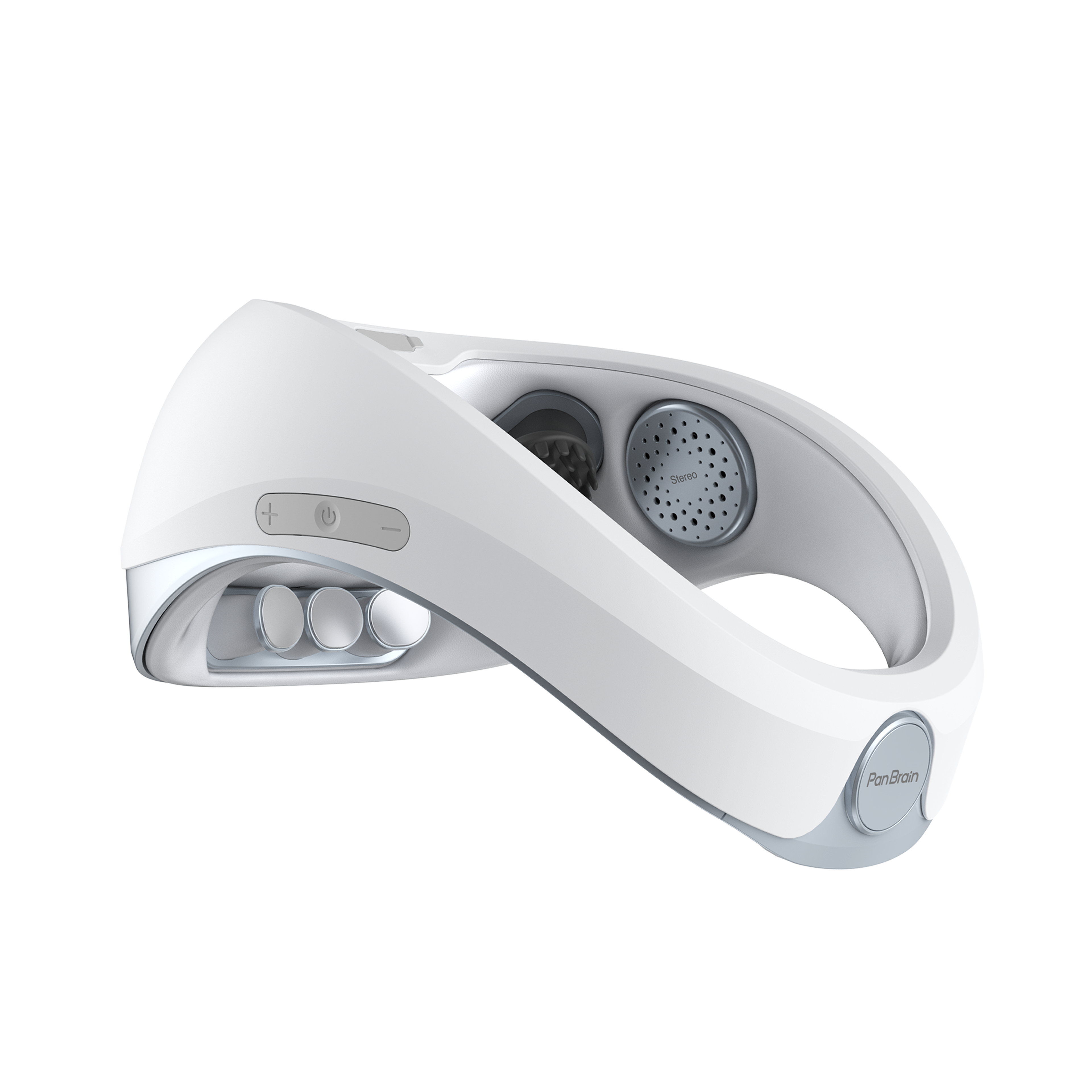
PanBrain LUME

810nm near-infrared light for deep restoration and long-term brain health.

from $390 /device
Shop

The Evidence

The Studies Behind the Numbers

Every number on our site comes from a PanBrain study on the EC2. All six studies share the same protocol: a 15-minute session once a day, 5 days a week, for 4 weeks (20 sessions), using a randomized, controlled design — the control group followed the identical procedure without active current.

Study 1

Everyday Calm & Tension

Who took part

60 adults reporting elevated everyday tension (a standardized professional assessment ≥ 7), randomly assigned to EC2 (n=30) or control (n=30).

How it was measured

Two validated self-report questionnaires for tension and worry (GAD-7 and HAMA), taken before and after the 4-week program.

−37.2%
tension scores (HAMA), EC2 group
control group: −14.9%
−36.7%
worry scores (GAD-7), EC2 group
control group: −18.5%
90%
of EC2 participants responded
control group: 70%
Download full report (PDF) →
Study 2

Memory & Attention

Who took part

200 adults with self-reported memory and attention difficulties, randomly assigned to EC2 (n=100) or control (n=100).

How it was measured

Memory: WMS-IV (FSMQ) and a visual 2-back working-memory task. Attention: ASRS and ACS attention questionnaires. A composite score combined both domains.

+23.1%
memory scores, EC2 group
control group: +1.4%
−38.1%
attention-difficulty scores, EC2 group
control group: −6.2%
+27.6%
cognitive composite score, EC2 group
control group: +4.1%
Download full report (PDF) →
Study 3

Energy & Fatigue

Who took part

216 adults reporting persistent low energy or fatigue, randomly assigned to EC2 (n=108) or control (n=108).

How it was measured

Fatigue Assessment Scale (FAS) and Subjective Vitality Scale (SVS), taken before and after the 4-week program.

−36.0%
fatigue scores (FAS), EC2 group
control group: −5.7%
−36.4%
low-vitality scores (SVS), EC2 group
control group: −4.4%
91.7%
of EC2 participants responded
control group: 60.2%
Download full report (PDF) →
Study 4

Mood & Emotional Balance

Who took part

52 adults reporting frequent negative emotions (DASS-21 ≥ 14), randomly assigned to EC2 (n=26) or control (n=26).

How it was measured

DASS-21 (negative emotional states) and the PANAS negative-affect subscale, taken before and after the 4-week program.

−42.3%
negative-emotion scores (DASS-21), EC2 group
control group: −10.6%
−42.1%
negative-affect scores (PANAS), EC2 group
control group: −3.7%
88.5%
of EC2 participants responded
control group: 69.2%
Download full report (PDF) →
Study 5

Sleep Quality

Who took part

56 adults reporting poor sleep quality (PSQI > 7), randomly assigned to EC2 (n=28) or control (n=28).

How it was measured

Pittsburgh Sleep Quality Index (PSQI) and Epworth Sleepiness Scale (ESS) for daytime sleepiness, before and after the 4-week program.

−36.4%
sleep-quality scores (PSQI), EC2 group
control group: −8.1%
−35.7%
daytime sleepiness (ESS), EC2 group
control group: −7.0%
92.9%
of EC2 participants responded
control group: 53.6%
Download full report (PDF) →
Study 6

Executive Function & Procrastination

Who took part

220 adults reporting frequent procrastination, randomly assigned to EC2 (n=110) or control (n=110).

How it was measured

Pure Procrastination Scale (PPS) and Irrational Procrastination Scale (IPS), taken before and after the 4-week program.

−27.3%
procrastination scores (PPS), EC2 group
control group: −6.2%
−25.1%
procrastination scores (IPS), EC2 group
control group: −1.0%
90%
of EC2 participants responded
control group: 55.5%
Download full report (PDF) →

These studies were conducted by PanBrain with adult volunteers from the general population, using standardized self-report questionnaires; control groups followed identical procedures without active current. Results reflect group averages — individual results vary. PanBrain products are consumer wellness devices and are not intended to diagnose, treat, cure, or prevent any disease.