
Author: Dr. Nailin Yao
Imagine this: you've got a proposal due Wednesday. You tell yourself you'll start on Monday. Monday comes, and you decide Tuesday morning is fine. Tuesday morning turns into Tuesday evening. And then, somehow, it's 11 p.m. on Tuesday night, and you're typing furiously, heart racing, coffee cold, eyes burning. By 2 a.m., it's done. You submit it. The client loves it. You feel like a genius.
That adrenaline rush—that lastminute triumph—feels great in the moment. But here's the catch: your brain remembers that feeling. And it starts to crave it. Over time, what began as an occasional emergency strategy becomes a default pattern. And once that pattern sets in, it's incredibly hard to break.
But not all procrastination is the same. Some people procrastinate because they're chasing that rush. Others because their brain struggles to prioritise. And some because their neurochemistry has simply stopped cooperating.
In this article, we'll look at three more types of procrastination—habitual procrastination, attentiondeficit procrastination, and depressionrelated procrastination—and explore what's actually going on beneath the surface. Because understanding the why is the first step to changing the how.
Beyond the two common forms we've already discussed, there are several other types of procrastination, each with its own underlying causes.
The first is habitual procrastination.
Picture this work scenario: a proposal is due on Wednesday, and you somehow leave it until late Tuesday night to start. Not only do you finish on time, but the client also praises your creativity. That lastminute rush sends your adrenaline soaring, and you can't help but think: "Look how amazing I am under pressure!"
The neurotransmitter behind learning is dopamine—think of it as the currency of value in your brain. When you do something and dopamine is released, you're more likely to want to do it again, because your brain registers it as rewarding.
So what determines how much dopamine gets released?
It's not actually about whether the task itself is objectively good or enjoyable. It's about the comparison between your expectations and the actual outcome.
If your initial expectations are low—or even nonexistent—and the result turns out better than expected, you feel an unexpected surge of satisfaction. Your brain wants to repeat that behaviour. But eventually, when expectations and outcomes align too closely, dopamine stops being released. And when the result falls short of what you expected, your brain "penalises" you—it reduces dopamine transmission, and you feel like you've lost something valuable.
It's as if you have a 24/7 accountant in your brain, constantly calculating the difference between expected gains and actual results:
l When you expect nothing from a quarterly review but end up winning an award—like receiving an unexpected yearend bonus—the accountant immediately releases an extra surge of dopamine (+50% reward).
l When you've prepared carefully for three months but your proposal gets rejected, the accountant freezes dopamine release (-30% emotional salary).
l When you slack off but somehow receive positive feedback, the accountant, baffled, issues a surprise bonus (+20% random reward).
This mechanism teaches your brain to appreciate the "dark horse strategy" ratio: instead of preparing in advance and risking disappointment, it's more rewarding to deliver a lastminute surprise.
The way out of this cycle is to rebuild your evaluation system. Try breaking down your annual goals into weekly milestones—helping your brain's accountant get used to the satisfaction of small, regular deposits. For example, finishing a draft of your presentation two hours early today is like collecting stamps at a café to redeem a small reward. When small, consistent wins replace lastminute adrenaline, your brain gradually moves away from the stress of procrastination.
Many adults who struggle to break the procrastination habit planted the seeds in childhood. One of the most important things parents should avoid is labelling children with personalitybased praise or criticism—like "you're so smart" or "you're so clumsy." When children hear these labels repeatedly, they unconsciously begin to equate their performance with their worthiness of love. Whether it's praise like "You're so clever" or blame like "Why are you so slow?"—both make children overly cautious. They become afraid of revealing anything less than perfection, for fear of losing the approval of the people who matter most.
Here are two common patterns of evaluation:
l "You crammed at the last minute and still scored this well?" — The implied message: you're a natural genius who doesn't need to work hard.
l "You barely tried and you're still ahead of everyone else." — The implied message: if you actually gave it your all, you might reveal your limits.
These kinds of comments can create a dangerous mindset: you become reliant on the false sense of achievement from shortterm bursts, while also developing a sense of shame around sustained effort. Over time, this doesn't build effective habits for success—it traps you in a draining cycle of selfsabotage.
To untangle this knot, we need to shift our perspective. Try reframing life not as a brutal arena, but as a laboratory where repeated experimentation is welcome. When you can enjoy the process of exploration itself—rather than being held hostage by outcomes—the delaying tactics you once used to maintain your "genius image" naturally lose their appeal. After all, real, lasting growth doesn't come from flawless performances—it comes from the courage to keep moving forward, even when you're not perfect.
Next is the second type: attentiondeficit procrastination.
This type has its roots in the brain's "command centre"—the prefrontal cortex, located just behind the forehead. This region is responsible for coordinating attention and setting priorities.
For those with weaker prefrontal function, daily life can be full of small struggles: standing at a fastfood counter, they might take twenty minutes just to choose a meal; instead of working on a report, they might spend two hours reading the manual for a robot vacuum; even everyday tasks like showering or eating get put off until the last minute. They often misjudge how long tasks will take, which means they end up rushing through everything.
Attentiondeficit procrastination also has a "highfunctioning" variant. These people appear incredibly productive—able to deliver bursts of work just before a deadline. They love juggling multiple tasks at once: five browser tabs open, replying to messages on their phone, listening to a podcast in the background. This state is linked to overactivity in the brain's basal ganglia—they need the stimulation of multitasking to stay focused, and tend to lose concentration when working on a single task.
These individuals often show fascinating contradictions: they can deliver a brilliant impromptu presentation in front of a client, but consistently forget to water the office plants; they can manage three projects simultaneously, while their phone has hundreds of unread messages; and the more important the meeting, the more likely they are to come racing in at the last minute.
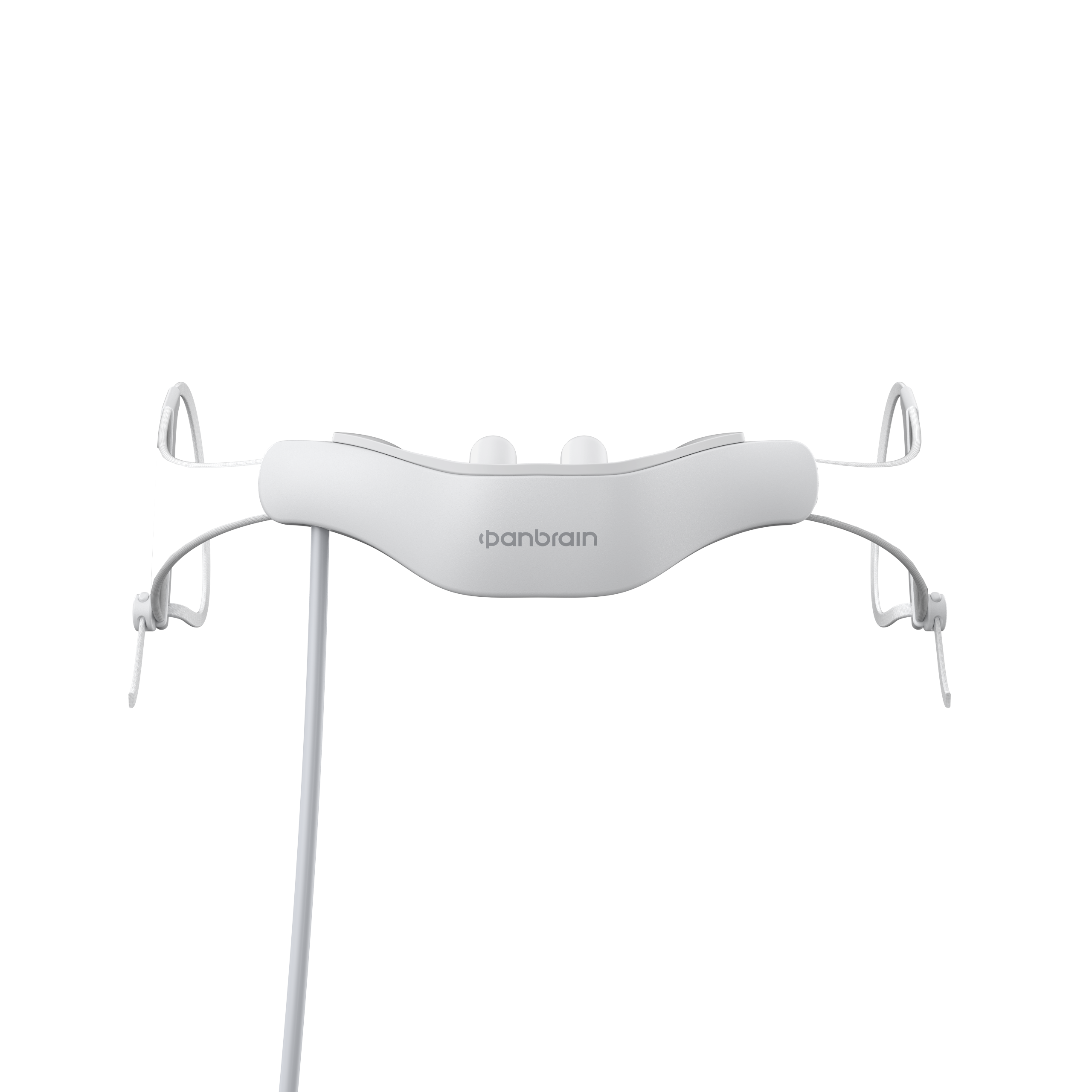
To truly improve this state, the key is to enhance the actual functioning of the prefrontal cortex. Beyond regular meditation practice, there are now physical intervention methods like transcranial direct current stimulation (tDCS)—noninvasive technologies that can help the brain establish more efficient neural connections. These principles are exactly what underlie new brainregulation devices like the Panbrain Energy Capsule.
Among all the types of procrastination, the one that deserves the most compassion is depressionrelated procrastination.
This isn't ordinary laziness. Depressionrelated procrastination often stems from moderate to severe depressive states—where a person has no motivation to do anything, struggles to start new tasks, is easily defeated by setbacks, and finds it nearly impossible to follow through. They are highly sensitive to negative feedback and avoid conflict—all of which are common signs of depressive states.
If you're experiencing depressive moods, chances are you're also dealing with procrastination. And if this resonates with you, your situation is different from the types we've discussed earlier. What you need isn't more timemanagement tips—it's support for your emotional state and the cognitive difficulties that come with it.
A 1993 study shed light on the distinctive brain states of individuals with depressive conditions. Scientists found that not only was overall brain activity significantly lower than in typical individuals, but their neurotransmitter systems also showed marked differences. Specifically, serotonin—a crucial chemical involved in regulating mood and behaviour—had both reduced transmission efficiency and lower overall levels. This finding is particularly noteworthy because serotonin is closely linked to our capacity for patience and sustained effort.
To explore this connection further, scientists designed a unique behavioural experiment with mice. Thirsty mice were placed in cages with a lever that dispensed water—but on a probabilistic schedule. Sometimes one or two presses would release water; other times it took dozens of attempts. The research team gradually increased the number of presses required to get water, observing how long each mouse would persist before giving up.
Normal mice showed remarkable persistence—they would press the lever 20 or 30 times without success and still keep going. But when scientists used lightbased stimulation to specifically reduce serotonin levels in another group of mice, their behaviour changed dramatically: they would try once or twice, fail, and then give up entirely—displaying a pattern similar to "giving up" in humans.
This contrast vividly illustrates how the serotonin system regulates behavioural persistence. A wellfunctioning serotonin system acts as an internal buffer, helping you maintain effort in the face of setbacks. When serotonin is depleted, people fall into a cycle of "try – fail – give up." This is why depressive states often come with procrastination—it's not about a lack of willpower, but about a brain chemistry that has weakened the resources needed for sustained action.
Another key factor is the dopamine system—often described as the brain's "action switch." In depressive states, dopamine secretion is often insufficient.
Imagine trying to start a car and finding the battery dead. That's what it can feel like for someone in a depressive state trying to begin a simple task. For a healthy person, deciding to take a shower might happen in a split second—but for someone with low dopamine drive, it can take half an hour of mental preparation just to get started.
Research has also found that in depressive states, the hippocampus often shows a reduction in volume.
Using precise optogenetic techniques to explore this brain region, scientists discovered two special areas within the hippocampus: the CA1 and CA3 regions. When CA1 activity was suppressed, mice would instinctively retreat when faced with a challenge. But when CA3 function was limited, the same mice became more willing to confront challenges headon.
Another significant change occurs in the orbitofrontal cortex—the brain region responsible for registering "achievement signals." When your boss compliments your presentation, this area lights up with a "reward achieved" indicator. Some people are born with strong internal motivation—they derive satisfaction more from personal growth than from external validation. But in depressive states, the reward perception system becomes like an overly sensitive alarm: it craves positive feedback, but is also exceptionally sensitive to its absence.
This neural peculiarity leads to a vicious cycle: when someone in a depressive state puts in effort but doesn't receive timely external recognition, their sense of selfworth deflates quickly—like a punctured balloon. This not only drains motivation but also reinforces the belief that "no matter how much I do, it won't make a difference."
Taken together: serotonin deficiency weakens endurance for sustained effort; dopamine deficiency impairs the ability to get started; hippocampal abnormalities affect how we respond to challenges; and orbital frontal cortex dysfunction makes it hard to maintain motivation. When these systems malfunction together, it's like a set of rusted gears struggling to turn smoothly—making it difficult to start, stick with, and recover from setbacks. Understanding these physiological mechanisms can help us view procrastination in depressive states with more compassion. It's not a lack of willpower—it's a brain that needs care and recalibration.
Procrastination takes many forms, but they all share a common thread: they're driven by disruptions in how your brain regulates attention, motivation, and emotional balance. Whether it's the adrenalineseeking loop of habitual procrastination, the prefrontalbased struggles of attention deficits, or the serotoninanddopamine depletion that characterises depressionrelated procrastination—the root cause is rarely a simple lack of discipline.
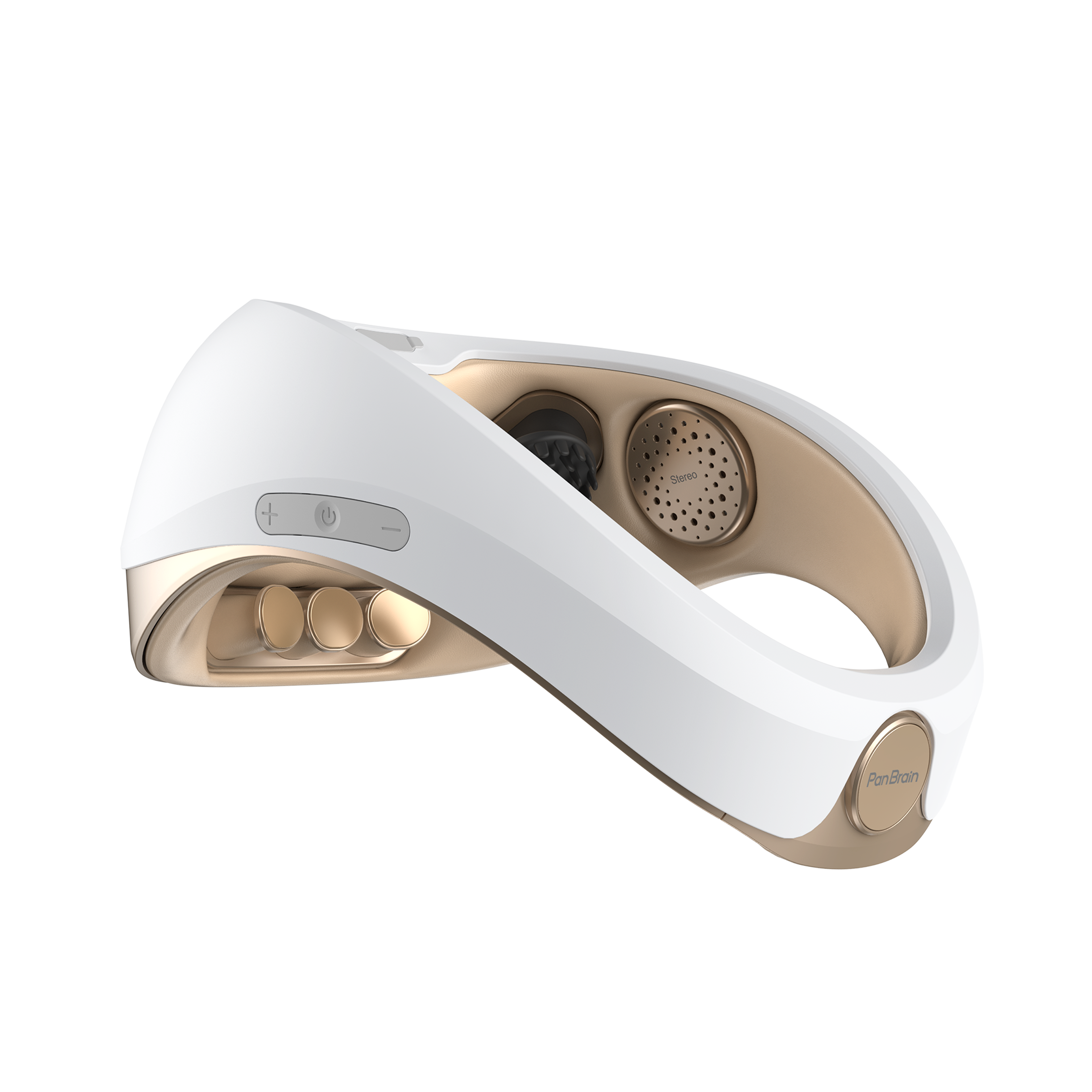
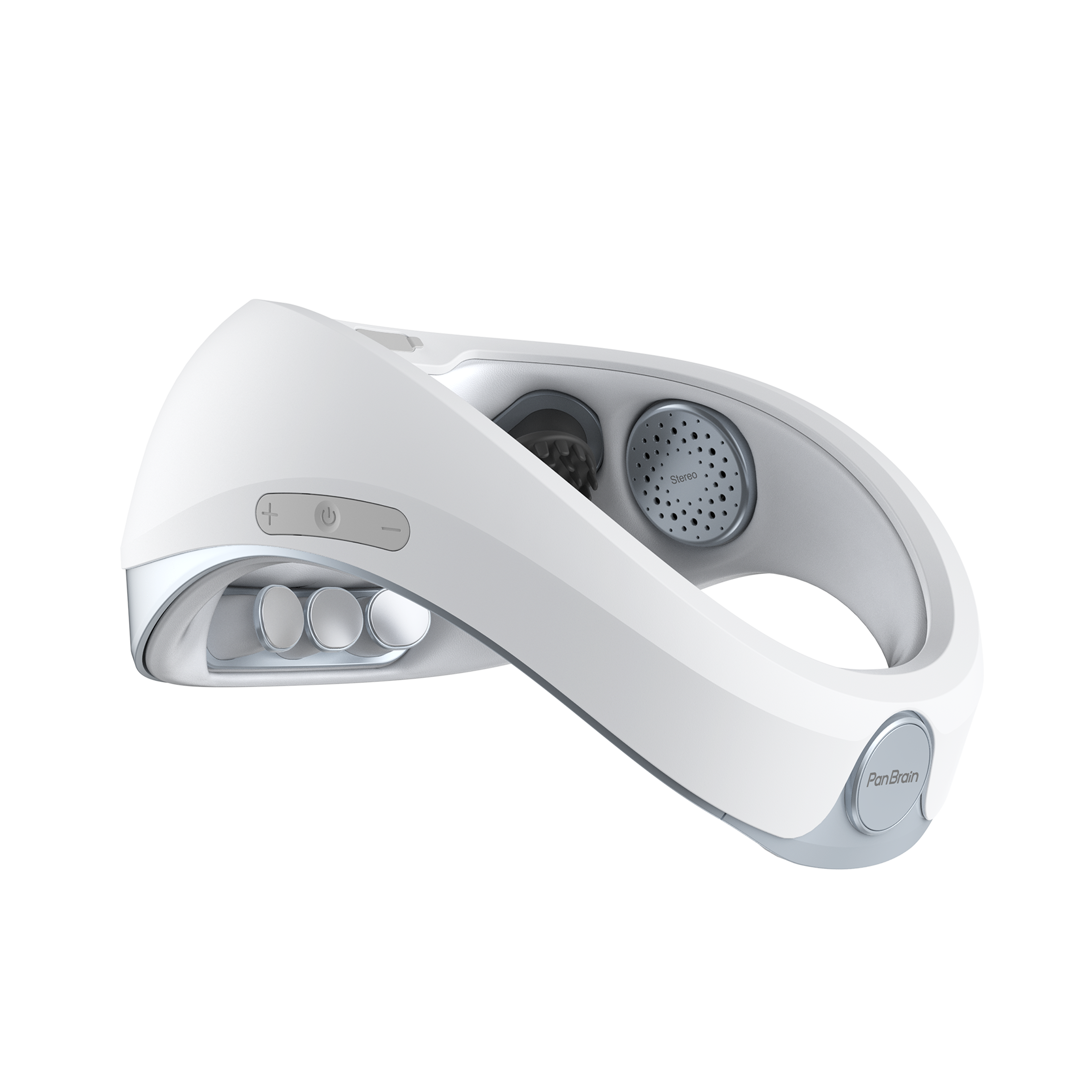
The Panbrain Energy Capsule (EC2 Blue Cognition) is designed to support the prefrontal cortex—the brain region that coordinates attention, priority setting, and executive control. Using transcranial direct current stimulation (tDCS)—a safe, noninvasive method validated in leading research centres—it delivers a gentle current to the dorsolateral prefrontal cortex, lowering the activation threshold of neurons and making them more responsive to taskrelevant signals. This promotes calcium influx and BDNF release, reinforcing longterm potentiation—the same neural mechanism that underlies sustained attention, working memory, and goaldirected behaviour. In short, Panbrain EC2 Blue helps your brain maintain the focus and drive you need to follow through, even when the task ahead isn't immediately rewarding.
The Panbrain Energy Capsule (EC2 Gold Energy) takes a complementary approach, targeting the prefrontallimbic circuitry that links executive control with emotional and reward centres. As we've seen, depressionrelated procrastination involves underactive serotonin and dopamine systems, which drain motivation and resilience. Panbrain EC2 Gold gently modulates cortical excitability, helping to steady the "background noise" of stress and low mood—creating a more stable internal state where effort feels less costly and setbacks feel more manageable.
Together, Panbrain EC2 Blue and Panbrain EC2 Gold support the two pillars of followthrough: cognitive control and emotional balance. They don't eliminate the need for strategy or selfcompassion—but they help your brain show up with the resources it needs to start, sustain, and persist.
Home tDCS headset for focus & memory — 17 min/day, studied in a 100-participant trial. 30-day home trial, no subscription.
See EC2 Blue — $1,669 or $139/mo