
Author: Dr. Nailin Yao
Ever found yourself walking into a room and forgetting why you went there? Or struggling to recall a name that was on the tip of your tongue just seconds ago? You're not alone—and more importantly, it's not a sign that your brain is failing you. The truth is, your memory isn't fixed. It's more like a muscle: train it right, and it gets stronger. Feed it poorly, and it weakens.
In this article, we'll walk through five science-backed, everyday habits that can reshape your brain from the inside out. No pills, no gimmicks—just simple, practical moves that actually work. And the best part is that you can start today.
1. Stick to aerobic exercise[1]
This one might sound like a broken record, but that's because it works. The key to boosting memory lies in strengthening the plasticity of your brain's cortex and hippocampus—and regular aerobic exercise is one of the most effective ways to do that.
When you get your heart pumping for about 30 minutes, three times a week, your body releases a steady supply of brain-derived neurotrophic factor (BDNF) and nerve growth factor. These powerful molecules encourage your brain to sprout new connections between neurons—and even grow brand-new neurons in the hippocampus. The result? You learn faster, think clearer, and stay sharper, often without even noticing the change.
2. Actively change the learning environment[2]
Most of us have a "usual" spot—the same desk, the same coffee shop corner, the same library nook. We think consistency helps us focus. But research suggests that changing your environment every now and then can actually give your memory an unexpected boost.
Try this: review a new topic at a café this month, revise it at the library next month, and summarise your notes at home on the weekend. At first, shifting settings might feel a little distracting—but that mild novelty actually triggers your brain to release more dopamine. This feel-good chemical doesn't just sharpen focus; it also helps lock in what you're learning. More importantly, studying in multiple environments prevents your memory from becoming too tightly tied to one place. That way, the knowledge becomes yours—ready to use wherever you are, not just when you're sitting in your "lucky" seat.
3. Feed Your Brain the Right Fuel[3]
There's an old saying: You are what you eat. And your brain agrees.
A heavy, greasy lunch can leave you sluggish and foggy by mid-afternoon. A spicy, rich dinner might leave you feeling irritable the next morning. Food affects your mood and cognition faster than you'd think.
To keep your brain in top shape, load up on:
- Dark leafy greens
- Natural antioxidants like tea, tomatoes, and blueberries
- Fatty fish such as salmon and cod, packed with unsaturated fats
- Nuts like pistachios and torreya nuts
On the flip side, certain foods can quietly wear down your brain over time—fried items, salty snacks, sugary drinks, refined pastries, and artificially sweetened beverages. An occasional treat won't hurt, but making them a daily habit can speed up mental fatigue and slow you down.
4. Use Emotion as a Memory Glue[4]
Here's something fascinating about your brain: it prioritises memories that come with strong emotions—whether joyful or painful. Think about it. You can probably recall the details of a favourite childhood holiday, or the ache of a breakup, with vivid clarity. That's because the amygdala (which processes emotion) sits right next to the hippocampus (which stores memory). When emotions run high, these two regions work together to stamp the experience deep into your neural circuitry.
In contrast, dull, neutral information—like a dry list of accounting rules—barely registers, no matter how many times you read it.
The takeaway? If you're struggling to remember something boring, try "borrowing" emotion. Watch a short, emotionally charged film clip—a heart-wrenching goodbye or a warm reunion—and dive straight into your study session while the feeling is still fresh. That emotional glow acts like glue, helping the information stick more firmly in your mind.
5. Meditate to Sharpen Your Spotlight[5]
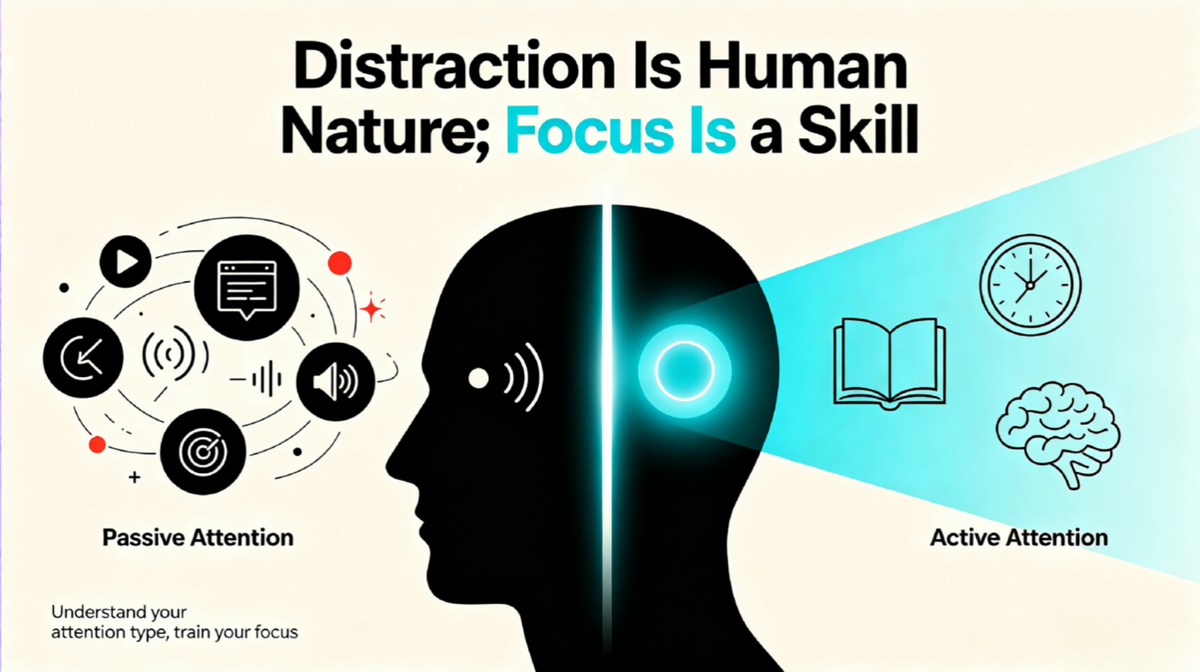
Meditation isn't just for stress relief—it's a direct workout for your memory. Think of your attention as a flashlight. The brighter and more focused that beam, the more information your brain can capture in a single moment.
Neuroscience shows that people who meditate regularly develop thicker tissue in the brain regions responsible for attention control. That structural change helps you filter out distractions and lock in what matters. (We'll dive deeper into this connection between attention and memory in a later chapter.)
6. And Above All: Prioritise Sleep[6]
By now, we've talked about proteins, neurons, and brain regions—but all that work happens for nothing without one crucial ingredient: sleep.
During deep sleep, the memory proteins formed during the day go through a remarkable activation process. Your cortex, thalamus, and hippocampus start humming together at specific brainwave frequencies, working like a team of movers—transferring memories from short-term storage (the hippocampus) to long-term storage (the cortex). At the same time, your brain acts like a discerning librarian: it decides what's worth keeping and what can be safely discarded—including some negative emotional clutter.
That's why you wake up feeling not just rested, but mentally refreshed. Your brain has done its nightly housekeeping.
Sleep is also a natural mood regulator[7]. When you consistently skimp on rest, those unresolved negative emotions pile up like unshovelled snow. Over time, you may find yourself reading too much into others' expressions, misinterpreting neutral cues as criticism, and feeling on edge for no clear reason. Left unchecked, this cycle can drag on for months and take a real toll on your wellbeing.
So if you take nothing else from this article, remember this: giving yourself enough quality sleep is one of the most powerful things you can do for your memory—and for your mind.
Everything we've explored—from the way exercise rewires your neural connections and emotion stamps memories into your brain, to the essential role of sleep in clearing out mental clutter—points to one simple truth: your memory thrives when your brain is in the right state at the right time.
But in today's fast-paced world, even the best habits can use a little support. That's where neurotechnology can offer a gentle, sciencegrounded nudge—working with your biology, not against it.
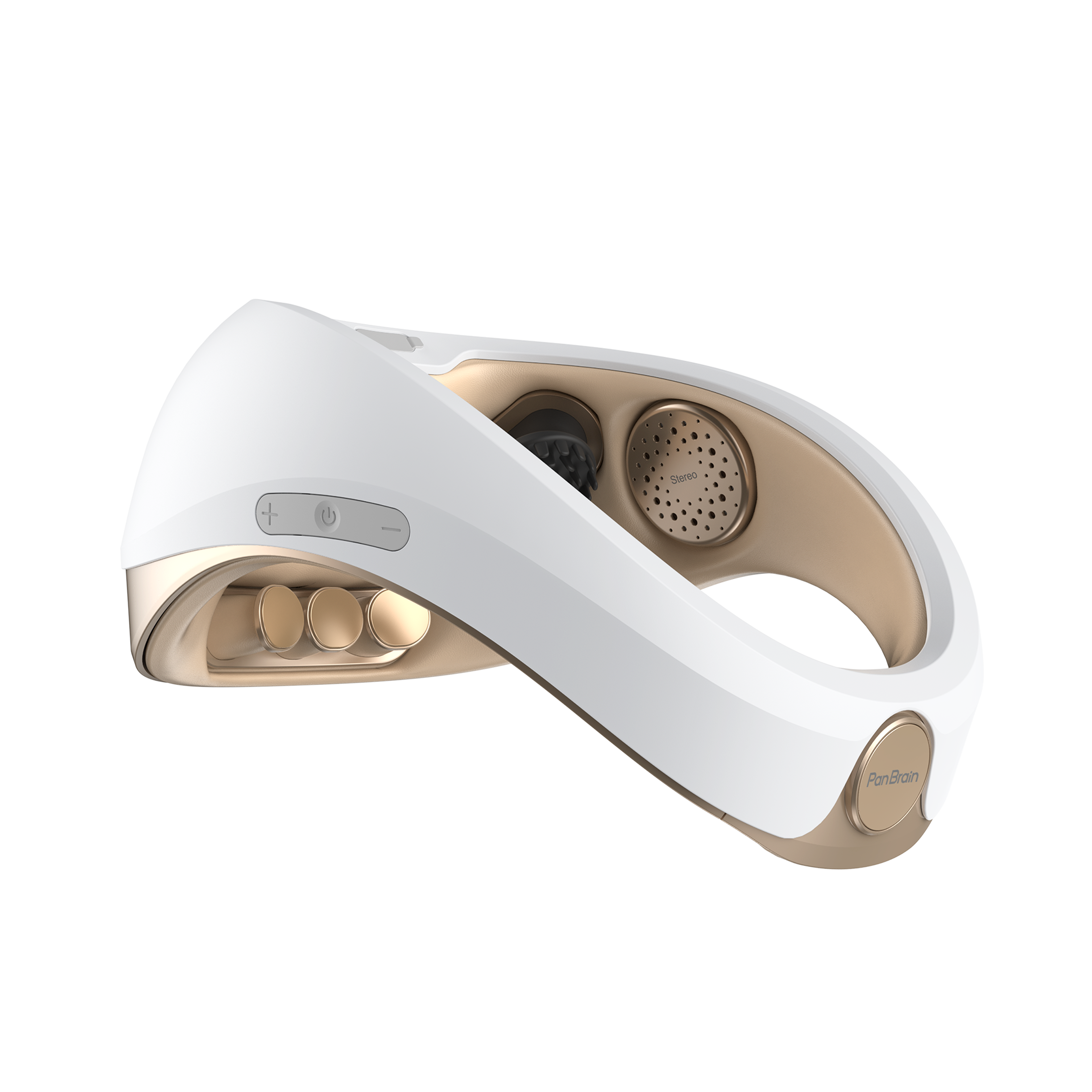
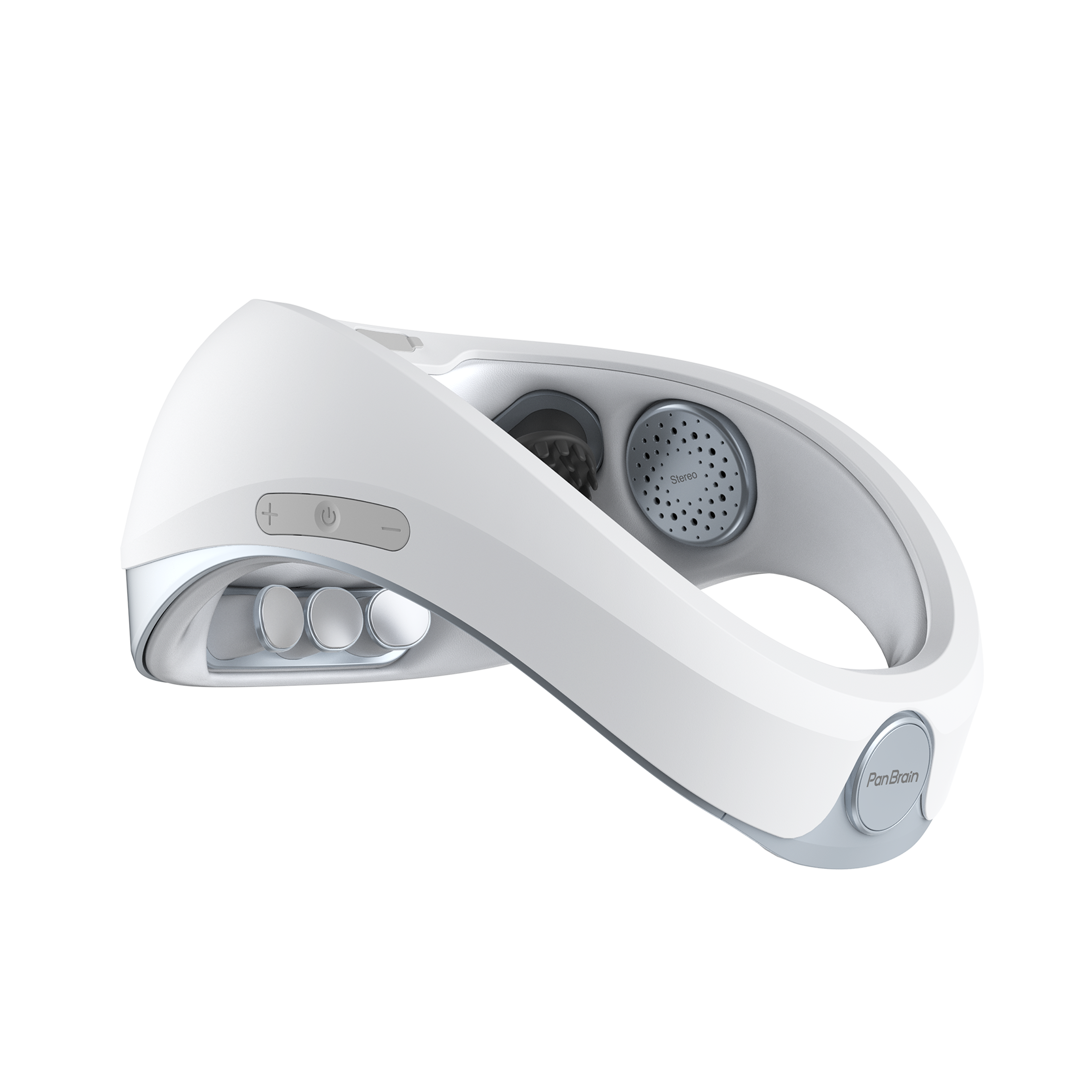
During the day, the Panbrain Energy Capsule (EC2 Blue Cognition) is designed to support the very cognitive functions we've been talking about: focus, working memory, and mental stamina. Using transcranial direct current stimulation (tDCS)—a safe, non-invasive method validated in leading research centres—it delivers a gentle current to your dorsolateral prefrontal cortex. This subtle stimulation lowers the activation threshold of neurons, making them more responsive to task-relevant signals while filtering out distractions. At the synaptic level, it promotes calcium influx and BDNF release, reinforcing the same long-term potentiation that underlies natural learning. In short, it primes your brain to get more out of every study session, every new skill, and every moment of focused effort.
For emotional balance, the Panbrain Energy Capsule (EC2 Gold Energy) takes a complementary route. It targets the prefrontal-limbic circuitry that connects executive control with deeper emotional centres—the same circuitry that helps emotion "stamp" memories into your hippocampus. By gently modulating cortical excitability, it helps steady the "background noise" of stress and tension, so your brain can process information more calmly and efficiently—making those emotion-tagged memories even more reliable.
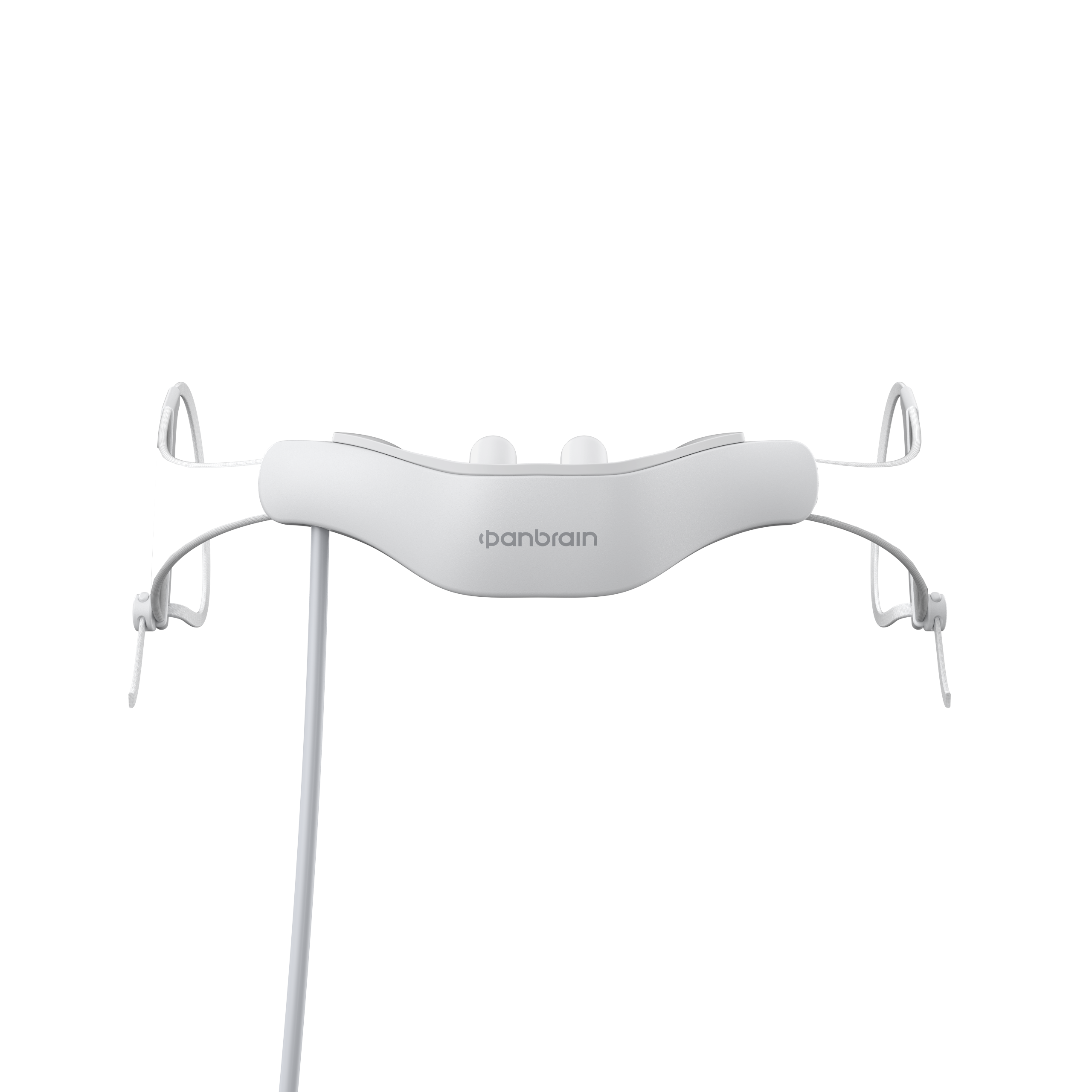
And at night, the Panbrain Lume steps in exactly where the science points: during deep sleep, when memory proteins are activated and your brain transfers short-term memories into long-term storage. Using photobiomodulation (PBM) with 810nm near-infrared light delivered through the nasal cavity, Panbrain Lume gently stimulates prefrontal regions to boost cellular energy production and help restore your brain's natural rhythm. The result is deeper, more restorative sleep—so your brain can complete its nightly housekeeping and wake you up clearer, calmer, and ready to retain what you've learned.
Together, these three tools work in harmony with your body's natural cycles—one sharpens your focus during the day, another steadies your emotional background, and the third supports the sleep that locks everything in place. They don't replace healthy habits; they simply help your brain get the most out of the effort you're already putting in.
To learn more, visit our website. Because a sharper brain isn't just about remembering more—it's about living better, every single day.
References
[1]Erickson, K. I., Voss, M. W., Prakash, R. S., Basak, C., Szabo, A., Chaddock, L., Kim, J. S., Heo, S., Alves, H., White, S. M., Wojcicki, T. R., Mailey, E., Vieira, V. J., Martin, S. A., Pence, B. D., Woods, J. A., McAuley, E., & Kramer, A. F. (2011). Exercise training increases size of hippocampus and improves memory. Proceedings of the National Academy of Sciences of the United States of America, 108(7), 3017–3022.
[2]Smith, S. M. (1982). Enhancement of recall using multiple environmental contexts during learning. Memory & Cognition, 10(5), 405–412.
[3]Valls-Pedret, C., Sala-Vila, A., Serra-Mir, M., Corella, D., de la Torre, R., Martínez-González, M. Á., Martínez-Lapiscina, E. H., Fitó, M., Pérez-Heras, A., Salas-Salvadó, J., Estruch, R., & Ros, E. (2015). Mediterranean diet and age-related cognitive decline: A randomized clinical trial. JAMA Internal Medicine, 175(7), 1094–1103.
[4]Cahill, L., & McGaugh, J. L. (1995). A novel demonstration of enhanced memory associated with emotional arousal. Consciousness and Cognition, 4(4), 410–421.
[5]Mrazek, M. D., Franklin, M. S., Phillips, D. T., Baird, B., & Schooler, J. W. (2013). Mindfulness training improves working memory capacity and GRE performance while reducing mind wandering. Psychological Science, 24(5), 776–781.
[6]Gais, S., Lucas, B., & Born, J. (2006). Sleep after learning aids memory recall. Learning & Memory, 13(3), 259–262.
[7]Yoo, S.-S., Gujar, N., Hu, P., Jolesz, F. A., & Walker, M. P. (2007). The human emotional brain without sleep—A prefrontal amygdala disconnect. Current Biology, 17(20), R877–R878.
Home tDCS headset for focus & memory — 17 min/day, studied in a 100-participant trial. 30-day home trial, no subscription.
See EC2 Blue — $1,669 or $139/mo