
Author: Dr. Nailin Yao
You're sitting in a quiet café, deep into a book you've been meaning to finish for weeks. Then the door swings open, and someone in a bright yellow coat walks in. Your eyes drift up—just for a second—and suddenly you've lost your place on the page.
Sound familiar?
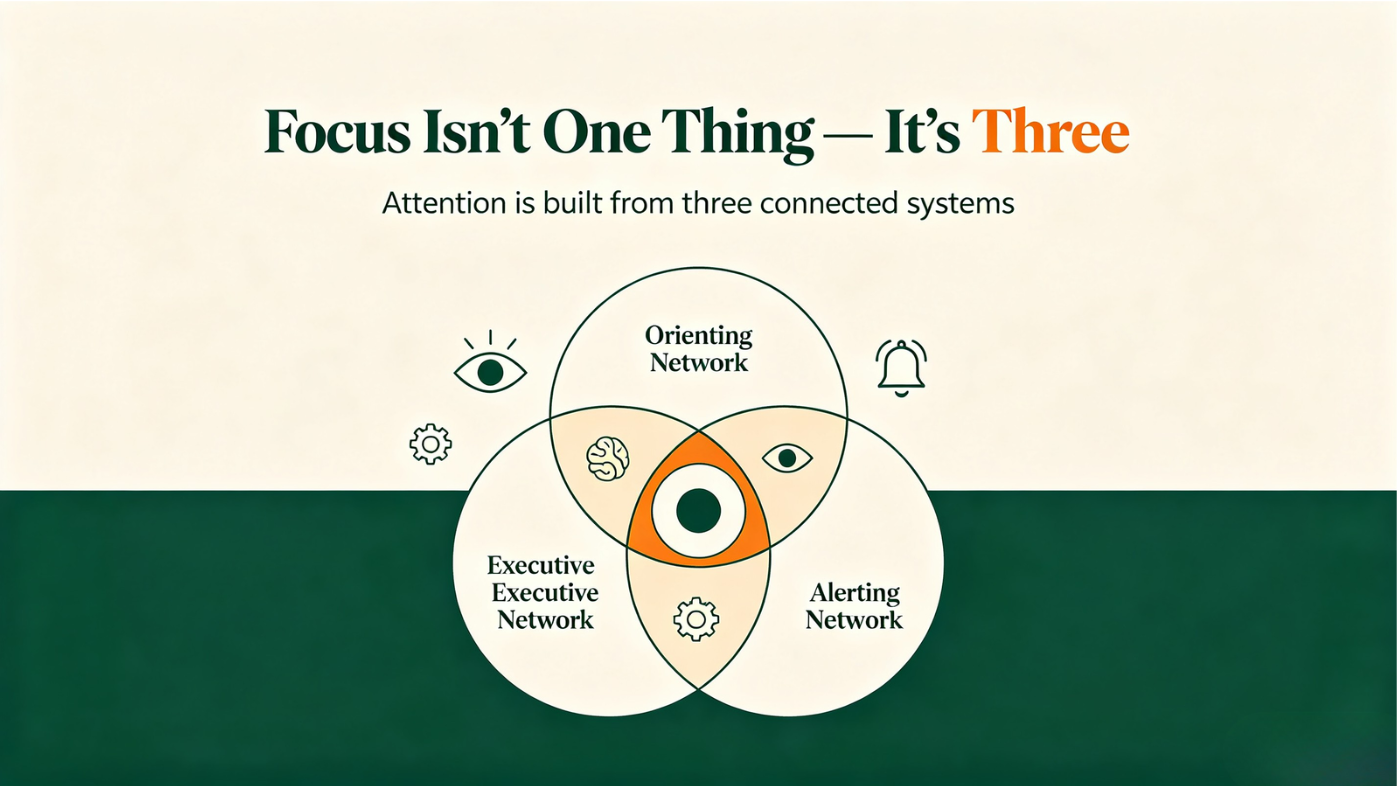
That little moment captures one of the most fundamental truths about your brain: your attention is not a single, unified beam. It's actually split into two very different systems—one that you control, and one that controls you. The first is called active attention; the second, passive attention.
Neither is better than the other. They evolved for completely different purposes, and understanding the difference might just be the most practical thing you ever learn about your own mind.
Active Attention: The Spotlight You Aim
Active attention is what you're using right now—if you're genuinely engaged in reading this article. You chose to open it, you're choosing to read it, and you're actively processing the ideas. This kind of attention requires effort, intention, and mental energy.
Before the information even reaches your senses, your brain is already preparing—anticipating what's coming. That's why active attention feels like a spotlight you can aim at whatever you decide is important.
Within the brain's intricate architecture, the region dedicated to active attention is known as the frontoparietal attention network[1]. This network is situated at the front of the frontal lobes and is primarily responsible for regulating topdown attentional mechanisms[2].
Remember that term? "Top-down" simply means your brain uses what it already knows—your past experience, your expectations, your goals—to interpret what's coming in from the outside world. Think of it like a director inside your head, shaping how you see the play unfolding in front of you.
Passive Attention: The Alarm System You Can't Turn Off
Passive attention is the exact opposite. You don't choose it. It chooses you.
That's what happened when the person in the yellow coat walked into the café. Your brain picked up on the sudden visual change—something new, something bright, something unexpected—and pulled your focus away before you could decide otherwise.
Many people think of passive attention as a weakness—a sign of distractibility or a lack of discipline. But in reality, it's one of your brain's most essential survival tools[3].
Imagine you're walking through the woods. A twig snaps behind you. Without passive attention, you'd keep walking, completely unaware that a predator might be nearby. Your ancestors wouldn't have survived long without it. That same system—your brain's built-in alarm—pulls your head toward a sudden loud noise or a flash of light, even before your conscious mind has figured out what's happening.So passive attention is actually the brain's evolutionary shield—not an enemy you need to fight.
The brain retains this mechanism because survival is always the top priority.That's why passive attention is processed by the posterior attention network—a team of brain regions spread across the back of your head. Unlike the frontal network, which handles intentional focus, this one is wired for bottom-up processing. That means the outside world—the "bottom"—grabs your brain's attention first, and your brain—the "top"—responds reactively.
Think of it like this: your brain isn't one single country with one leader. It's more like 100 small nations working together. When you're focusing hard, about 20 of those nations—led by the prefrontal cortex—are coordinating. When something grabs your attention unexpectedly, a different team of about 15 nations steps in, without waiting for orders from the central government.
The posterior attention network primarily handles bottom-up regulation[4]. Here, "bottom" refers to signals coming from the outside environment, while "top" represents your brain's internal processing systems.
Imagine you're sitting in a café where soft background music is playing. That steady, predictable sound usually won't disturb your studying—because your brain has already classified it as a "safe signal." But if that music suddenly switches to blaring rock, or if someone yells right behind you, that unexpected jolt hits like an alarm bell—instantly activating your posterior attention network.
It's worth noting that not every external stimulus triggers passive attention. Take that same café background music: it's undeniably there, but your brain automatically filters it into the background noise. Only when something changes—a sudden spike in volume, an abrupt shift in pitch, or a completely unfamiliar sound, like heavy metal drums crashing into a soft melody or a glass shattering on the floor—do these patternbreaking surprises actually rouse your posterior attention network[6], making you turn your head toward the source without thinking.
This precise screening mechanism is one of your brain's most important lines of defence.
Now, here's something fascinating about your everyday environment: a special kind of background sound called white noise. Have you ever noticed how easy it is to doze off shortly after a plane takes off? That's because of the constant, steady hum inside the cabin—that stable, predictable sound is white noise. It creates the illusion that "everything around me is safe and stable," much like the gentle rocking of a cradle calms a baby.
Your brain's alertness system, when exposed to the same intensity of stimulation over a long period, gradually loosens its grip—like a taut string slowly slackening. When that alertness drops past a certain threshold, drowsiness rolls in like a tide, carrying you gently into sleep.
This phenomenon perfectly illustrates how passive attention responds to constant, unchanging stimuli. Even when there's ongoing sound, light, or other sensory input in your environment, as long as it stays fixed in a repetitive pattern, it can actually turn into your brain's lullaby[7]—rather than keeping you awake.
We've just walked through the two systems that shape your attention every single day. One is the spotlight you control—active attention, powered by your prefrontal cortex and top-down processing. The other is the alarm system you can't turn off—passive attention, wired for survival, always scanning for the unexpected.
Together, they keep you focused when you need to be, and alert when it matters most. But maintaining that balance—especially when distractions are everywhere—takes more than willpower. It takes a brain that's ready, responsive, and resilient.
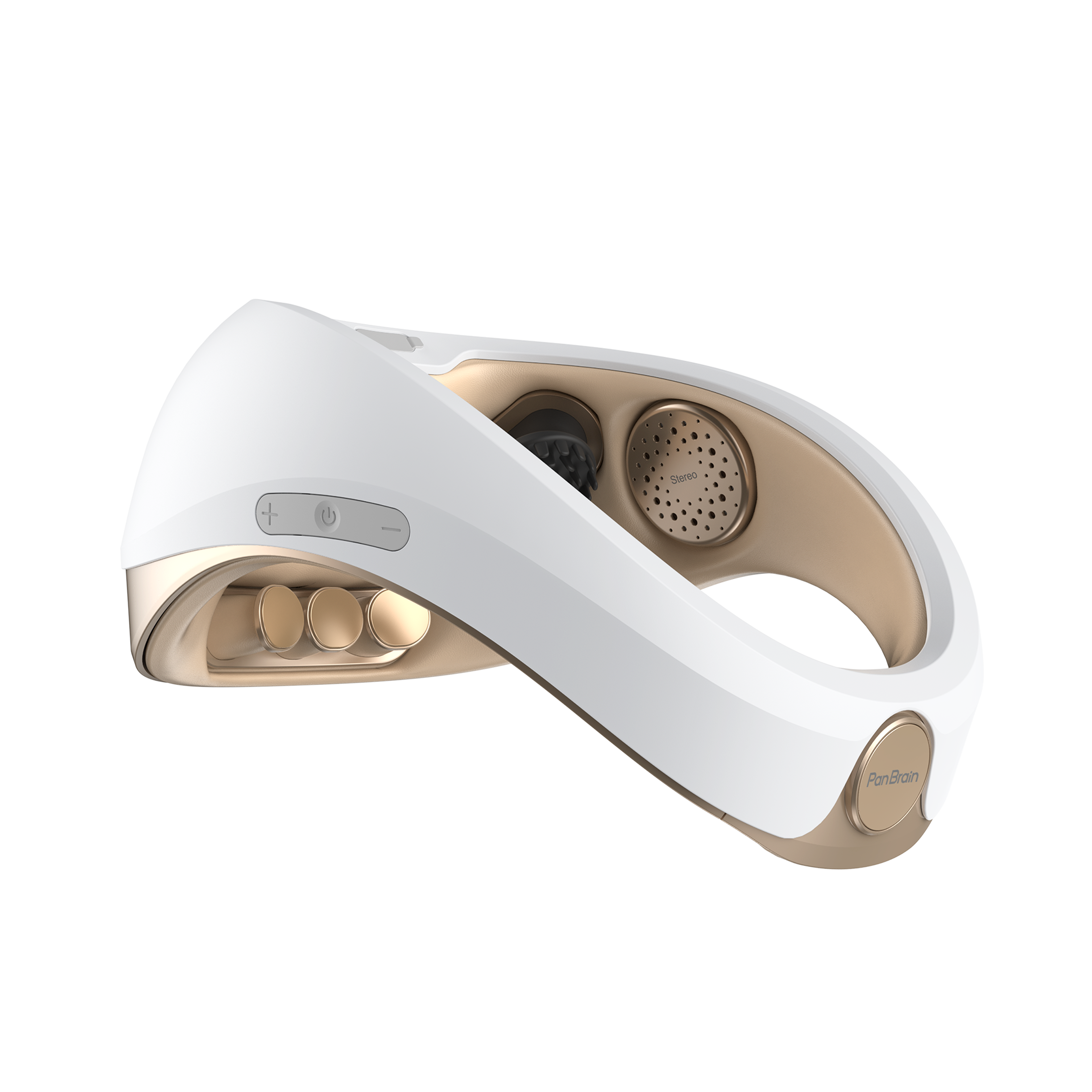
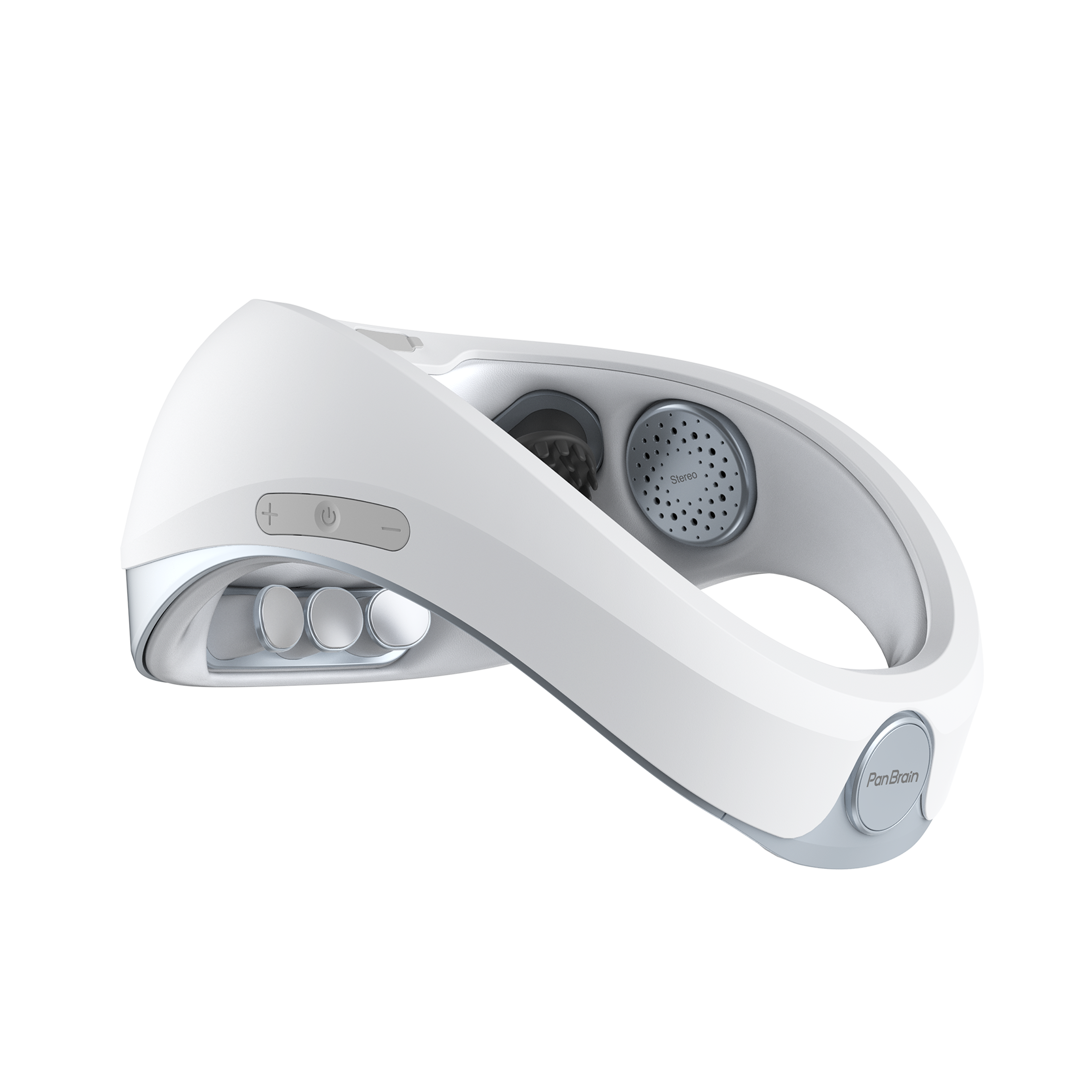
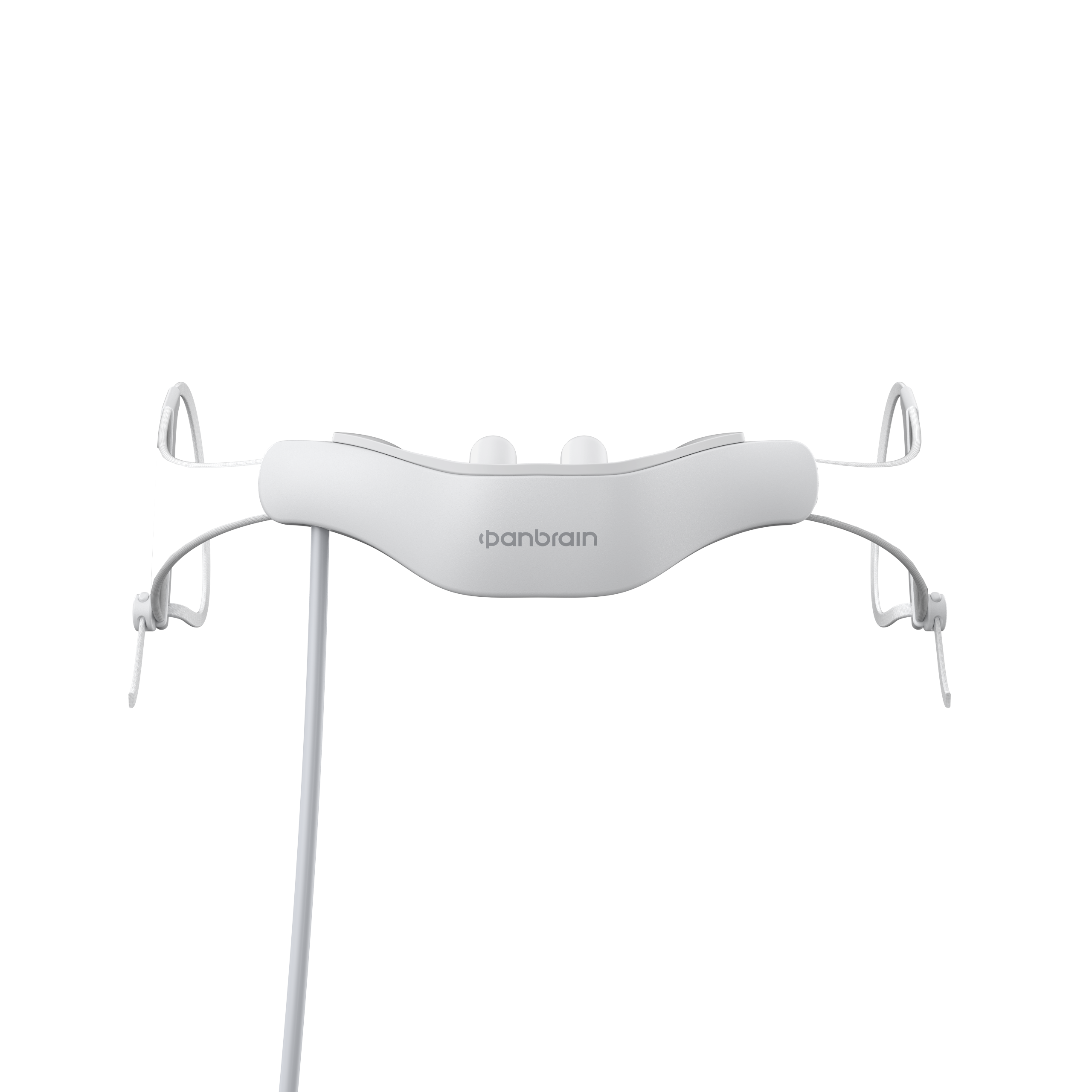
That's exactly what the Panbrain Energy Capsule (EC2 Blue Cognition) is designed to support. Using transcranial direct current stimulation (tDCS)—a safe, noninvasive method validated in leading research centres—it delivers a gentle current to your dorsolateral prefrontal cortex, the very region that governs active attention and top-down control. This subtle stimulation lowers the activation threshold of your neurons, making them more responsive to the tasks you choose to focus on—while filtering out the noise that doesn't matter. At the synaptic level, it promotes calcium influx and BDNF release, reinforcing the brain's natural learning and adaptation mechanisms. In short, it helps your spotlight shine brighter, for longer, exactly when you need it.
So whether you're studying for an exam, preparing a presentation, or simply trying to stay present in a world full of distractions, Panbrain EC2 Blue works with your biology—not against it—to help you turn focus from a struggle into a skill.
References
[1]Posner, M. I., & Petersen, S. E. (1990). The attention system of the human brain. Annual Review of Neuroscience, 13, 25–42.
[2]Fan, J., McCandliss, B. D., Fossella, J., Flombaum, J. I., & Posner, M. I. (2005). The activation of attentional networks. NeuroImage, 26(2), 471–479.
[3]Vuilleumier, P., Armony, J. L., Driver, J., & Dolan, R. J. (2001). Effects of attention and emotion on face processing in the human brain: An event-related fMRI study. Neuron, 30(3), 829–841.
[4]Petersen, S. E., & Posner, M. I. (2012). The attention system of the human brain: 20 years after. Annual Review of Neuroscience, 35, 73–89.
[5]Corbetta, M., & Shulman, G. L. (2002). Control of goal-directed and stimulus-driven attention in the brain. Nature Reviews Neuroscience, 3(3), 201–215.
[6]Riedy, S. M., Smith, M. G., Rocha, S., & Basner, M. (2021). Noise as a sleep aid: A systematic review. Sleep Medicine Reviews, 55, Article 101385.
[7]Spencer, J. A., Moran, D. J., Lee, A., & Talbert, D. (1990). White noise and sleep induction. Archives of Disease in Childhood, 65(1), 135.
Home tDCS headset for focus & memory — 17 min/day, studied in a 100-participant trial. 30-day home trial, no subscription.
See EC2 Blue — $1,669 or $139/mo