
Author: Dr. Nailin Yao
You have a deadline. You know you should start. You sit down, open the document, and... somehow, an hour later, you've reorganized your entire desk, watched three videos about how to fold fitted sheets, and even considered taking up origami. The document remains blank.
We've all been there. And we tend to blame ourselves—calling it laziness, lack of discipline, or a character flaw. But here's the truth: procrastination isn't a moral failing. It's a predictable, hardwired feature of how your brain works. And once you understand the science behind it, you can stop fighting yourself and start working with your brain instead.
In this article, we'll explore why your brain is wired to delay, how the dopamine system distorts your perception of time, and why some tasks feel impossible to start—while others are impossible to stop. By the end, you'll have a clear framework for understanding your own procrastination patterns—and practical strategies to overcome them.
The word "procrastination" sounds like a serious condition. But if we're honest with ourselves, we all put things off from time to time. At its core, procrastination is about how we manage—or fail to manage—our time. You set a deadline for an important task. You intend to meet it. And yet, when the time comes, you miss the deadline and the task remains undone. That's procrastination in its most basic form.
The truth is, our brains are naturally wired to procrastinate—a phenomenon known as temporal discounting[1]. Simply put, the further away a reward is in time, the less valuable it feels to us right now. This is rooted in the brain's dopamine system. Dopamine acts as the brain's internal currency of reward—the more dopamine released, the more rewarding an experience feels.
Temporal discounting describes how your brain assigns value to rewards at different points in time. When a reward is immediate, your brain floods with dopamine, making the action feel incredibly worthwhile. But when a reward is delayed—even by a matter of weeks or months—your brain applies a steep discount, valuing it at perhaps only a tenth or a fifth of its actual worth. At that point, the task feels optional, even trivial.
This devaluation of future rewards doesn't happen at a steady, even rate—it drops off like a steep slide. The closer the reward, the more it's worth; the further away, the faster its perceived value plummets. For example, receiving $1,000 tomorrow versus receiving $1,000 next month: the amount is the same, but to your brain, next month's money feels far less compelling. This is precisely why most people struggle with delayed gratification—our ancient reward systems are wired to prioritise immediate payoffs.
When faced with tasks that are both time-consuming and tedious, procrastination becomes almost reflexive[2]. Your brain's reward system stays stubbornly quiet—until a deadline suddenly looms close, jolting it awake and generating a lastminute burst of motivation.
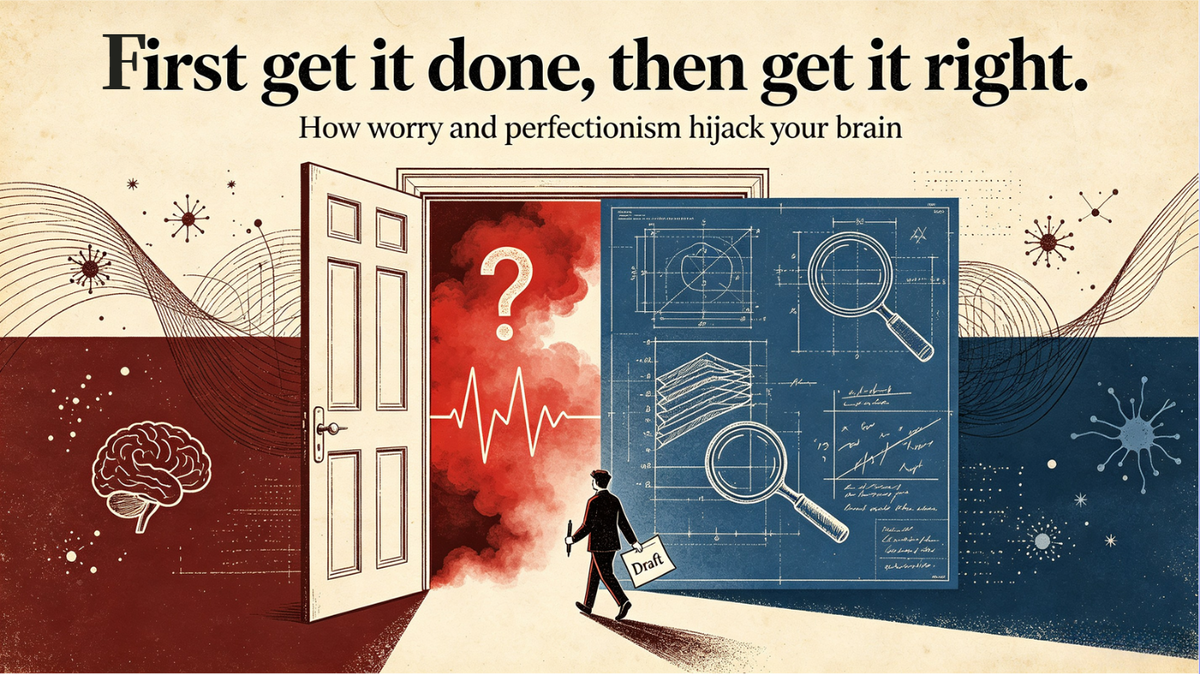
Procrastination can also be triggered when your brain perceives a task as threatening[3]. When you worry about doing something poorly, fear negative feedback, or feel anxious about falling short of expectations, that unease creates an invisible barrier that keeps you from starting.
This psychological response has deep evolutionary roots—it's driven by the ancient "fight or flight" mechanism.
Imagine our ancestors facing a wild animal or an enemy. Their bodies would instantly assess whether to stand their ground or flee. In modern life, when we face tasks that could challenge our self-image—like preparing a major presentation or tackling a difficult problem—our brains trigger a similar stress response. At an unconscious level, we treat the task as something to fight or avoid. If we feel confident in our ability to handle it, we engage headon. But if it feels beyond our reach, we fall back on avoidance—and procrastination becomes a psychological buffer.
This creates a fascinating feedback loop: the more uncertain or out-of-control we feel about a task, the stronger the worry signals in our brain[4]. Even something as simple as replying to an email can be recast by the brain as a highstakes move that might expose our weaknesses.
Now let's look at a practical framework for understanding procrastination.
This model is built on two key dimensions—cognitive difficulty and enjoyment—which form four distinct quadrants. The vertical Y-axis represents cognitive difficulty (from low to high), while the horizontal X-axis represents enjoyment (from low to high)[5].

Take the bottom-right quadrant. When a task is both enjoyable and easy to do, we don't procrastinate at all—we actively engage with it[6]. Activities like scrolling through short videos or playing video games are classic examples. They pull us in like magnets, and we often turn to them as substitutes for more important but harder tasks.
The bottom-left quadrant represents tasks that are low in both enjoyment and cognitive difficulty. Everyday chores—tidying up your room, preparing meals, or repeatedly checking data in a spreadsheet—fall into this zone. These tasks aren't exciting, but they're straightforward. We can call them anxiety-relief tasks. When we're faced with a genuinely important but difficult task—like a strategic plan that requires deep thinking, or a long-term fitness commitment—we often default to these simpler chores. Because when we're unsure whether we can handle the important task, or when we have no clear sense of when we'll get feedback, low-level unease begins to build. Knocking out a few simple checks or tidying up doesn't solve the core problem—but it gives us a reassuring sense that "at least I got something done," temporarily soothing that inner restlessness.
Now let's look at the upper half of the Y-axis, where cognitive difficulty is high. I use the term "cognitive difficulty" rather than just "difficulty" because there's a real difference between the objective complexity of a task and how hard it feels to us personally. Take organising a filing cabinet—the task itself isn't technically complex. But if you believe it requires strong classification skills, you may mentally inflate its difficulty and put it off for two months. When you finally start, you realise it's just about sorting items by colour-coded labels—a job that takes twenty minutes.
Tasks that combine high cognitive difficulty with low enjoyment are procrastination's favourite hunting ground. Think of assembling furniture with incomprehensible instructions and boring, repetitive steps—everyone would drag their feet on that one. These tasks sit in front of us like heavy stones, draining motivation just by existing.
But the top-right quadrant is a more interesting case. This is where we find tasks that are genuinely difficult yet inherently enjoyable—like mastering a complex fingering pattern on a new instrument, or solving a challenging but fascinating math problem. These tasks create a push-pull tension: we're drawn in by the enjoyment, but held back by the difficulty. We tell ourselves, "I'll really dig into this over the weekend when I have more time," and more often than not, that weekend never comes.
Through this simple four-quadrant model, we can see more clearly the two key drivers behind procrastination: lack of enjoyment and high cognitive difficulty. What's important to recognise, though, is that the real barrier is often not the objective difficulty of the task itself—but our subjective perception of it[7].
There's a simple formula for cognitive difficulty:
Cognitive Difficulty = (Objective Complexity × Personal Expectation) ÷ Self-Assessment of Ability
Let's break this down. Every task has an objective level of complexity. But different people bring different expectations to the same task—one person might aim for an 80% outcome, another is content with 60%, while a third insists on nothing less than perfection. We all know that achieving 100% is nearly impossible, so the higher your expectation, the higher the cognitive difficulty you'll perceive.
Finally, your self-assessment of ability is closely tied to your confidence[8]. Even if a task is objectively complex, if you feel confident in your skills, it simply won't seem that hard. In other words, when you divide the challenge by your self-confidence, the cognitive difficulty drops.
What you'll notice is that the tasks we procrastinate on often involve two factors: we hold unrealistically high expectations for our performance, which makes the task seem harder than it really is; and we underestimate our own abilities, doubting whether we can do it well. When these two forces combine, procrastination becomes almost inevitable.
In the "instant gratification" quadrant, we need to stay alert to tasks that are both enjoyable and easy—they may not be important for your personal growth or work, but they make powerful temptations. You might have all the mental energy you need to tackle a more significant task. But the moment a game or a captivating live stream appears, that time slips through your fingers without you even noticing.
Assessing the sense of meaning in a task is also a key factor in whether we'll procrastinate[6]. Beyond sensory pleasure, it's the intellectual enjoyment that truly gives us a sense of meaning. For many—if not all—of us, that's the real source of satisfaction and fulfilment. But if we don't perceive meaning in a task, its value to us drops to zero. Even if the task is deeply meaningful to others—if we can't feel that meaning ourselves, we simply won't want to do it.
Procrastination isn't a character flaw—it's a predictable outcome of how your brain's reward system, threat response, and self-assessment interact. As we've seen, the key to overcoming it isn't more willpower, but rather rewiring the conditions that make tasks feel harder and less rewarding than they actually are.
That's where precision neurotechnology can offer a science-grounded edge—by helping you regulate the very brain systems that govern motivation, focus, and emotional balance.
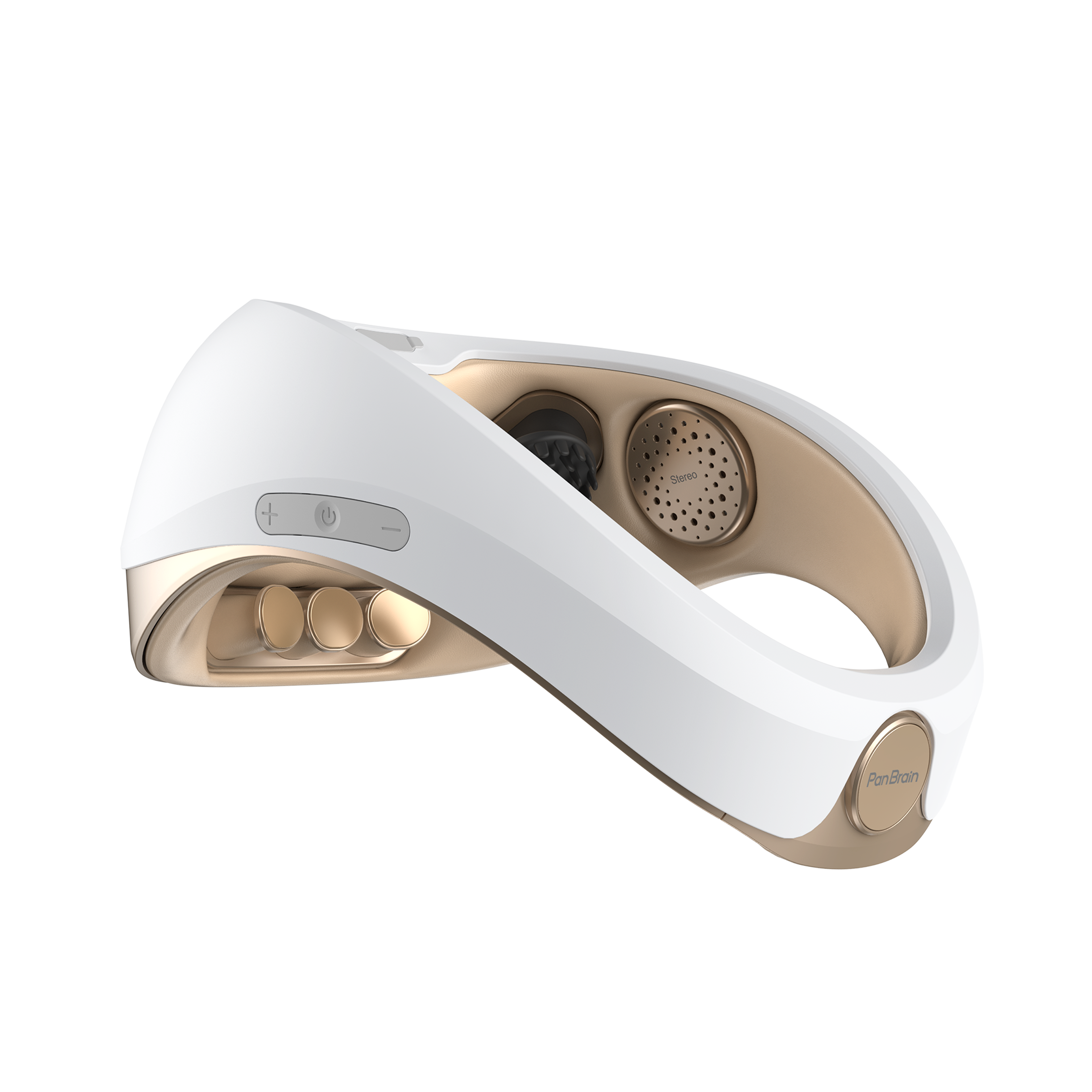
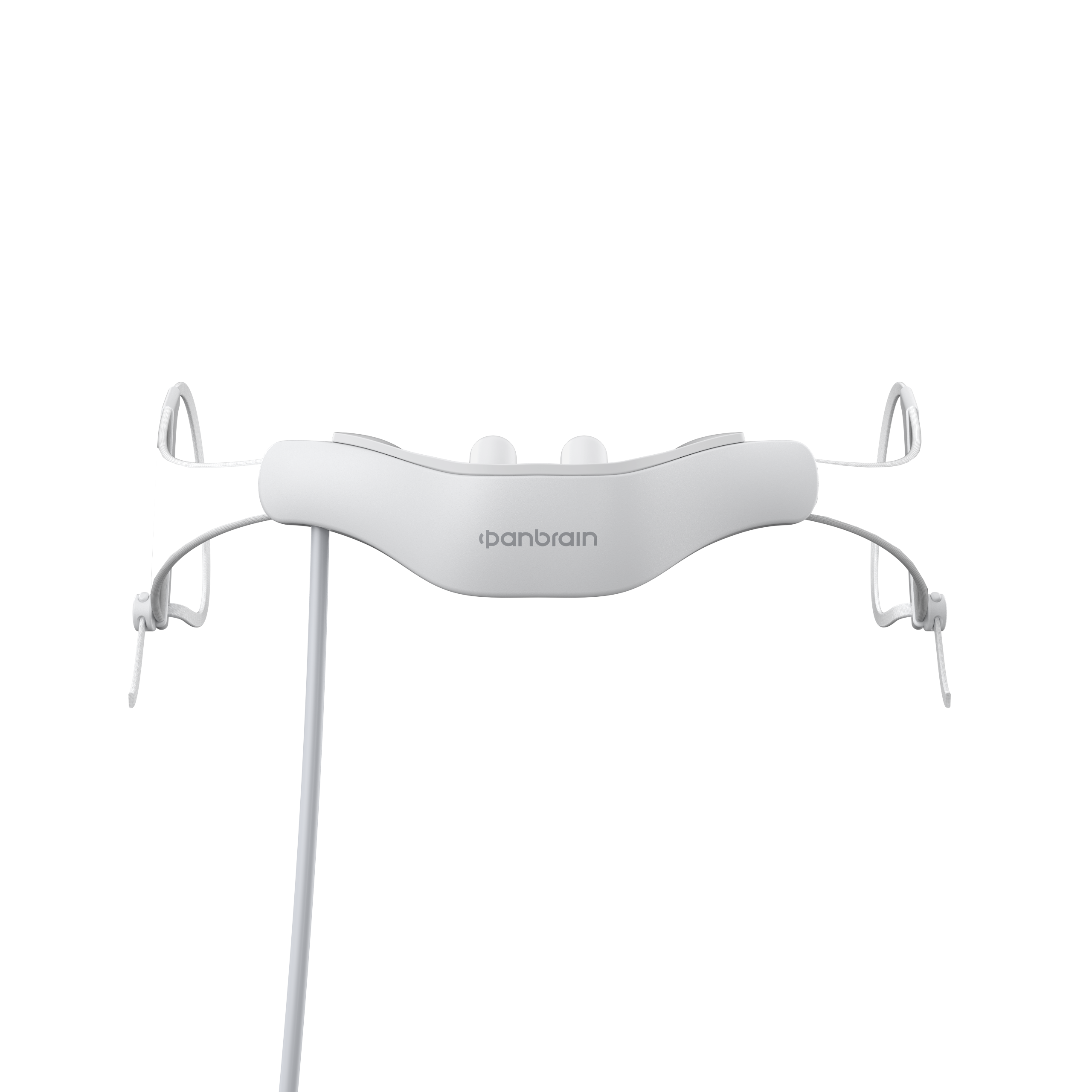
The Panbrain Energy Capsule (EC2 Blue Cognition) is designed to support the prefrontal cortex—the region responsible for executive control, planning, and sustaining attention through difficult tasks. Using transcranial direct current stimulation (tDCS)—a safe, non-invasive method validated in leading research centres—it delivers a gentle current to your dorsolateral prefrontal cortex. This subtle stimulation lowers the activation threshold of neurons, making them more responsive to the task at hand while filtering out distractions. At the synaptic level, it promotes calcium influx and BDNF release, reinforcing long-term potentiation—the same mechanism that underpins sustained effort and goal-directed behaviour. In simple terms, Panbrain EC2 Blue helps your brain stay engaged when a task feels tedious, reducing the urge to flee toward easier, more immediately gratifying alternatives.
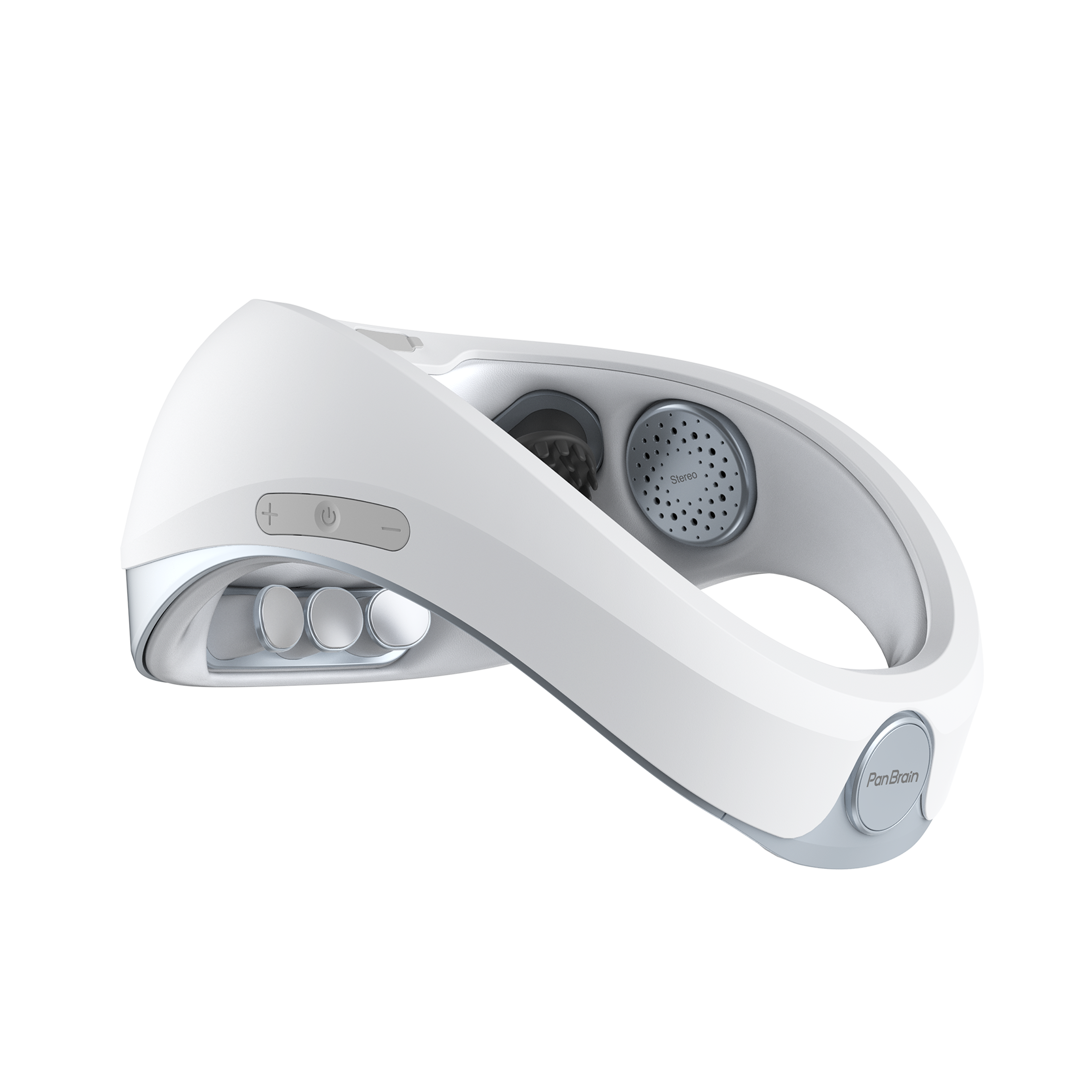
The Panbrain Energy Capsule (EC2 Gold Energy) takes a complementary approach. As we discussed, the "fight-or-flight" response can turn a difficult task into a perceived threat—triggering avoidance, self-doubt, and delay. Panbrain EC2 Gold targets the prefrontal-limbic circuitry that connects executive control with deeper emotional centres, helping dampen the hyper-alertness that feeds procrastination. By gently modulating cortical excitability, it steadies the "background noise" of stress and worry, so your brain can shift from reactive avoidance to calm, deliberate engagement.
Together, Panbrain EC2 Blue and Panbrain EC2 Gold don't replace effort—they simply help your brain show up ready, even when the task ahead feels heavy, tedious, or uncertain. Because motivation isn't about waiting for inspiration to strike. It's about creating the conditions where your brain can do what it's capable of—starting now.
To learn more, visit our website at panbrain.com.
References
[1]McClure, S. M., Laibson, D. I., Loewenstein, G., & Cohen, J. D. (2004). Separate neural systems value immediate and delayed monetary rewards. Science, 306(5695), 503–507.
[2]Blunt, A. K., & Pychyl, T. A. (2000). Task aversiveness and procrastination: A multi-dimensional approach to task aversiveness across stages of personal projects. Personality and Individual Differences, 28(1), 153–167.
[3]Zhang, S., Verguts, T., Zhang, C., Feng, P., Chen, Q., & Feng, T. (2021). Outcome value and task aversiveness impact task procrastination through separate neural pathways. Cerebral Cortex, 31(8), 3846–3855.
[4]de Berker, A. O., Rutledge, R. B., Mathys, C., Marshall, L., Cross, G. F., Dolan, R. J., & Bestmann, S. (2016). Computations of uncertainty mediate acute stress responses in humans. Nature Communications, 7, Article 10996.
[5]Wu, F. (2017). Academic procrastination in linking motivation and achievement-related behaviours: A perspective of expectancy-value theory. Educational Psychology, 37(6), 695–711.
[6]Senécal, C., Koestner, R., & Vallerand, R. J. (1995). Self-regulation and academic procrastination. The Journal of Social Psychology, 135(5), 607–619.
[7]Zhang, S., Verguts, T., Zhang, C., Feng, P., Chen, Q., & Feng, T. (2021). Outcome value and task aversiveness impact task procrastination through separate neural pathways. Cerebral Cortex, 31(8), 3846–3855.
[8]Wäschle, K., Allgaier, A., Lachner, A., Fink, S., & Nückles, M. (2014). Procrastination and self-efficacy: Tracing vicious and virtuous circles in self-regulated learning. Learning and Instruction, 29, 103–114.
Home tDCS headset for focus & memory — 17 min/day, studied in a 100-participant trial. 30-day home trial, no subscription.
See EC2 Blue — $1,669 or $139/mo