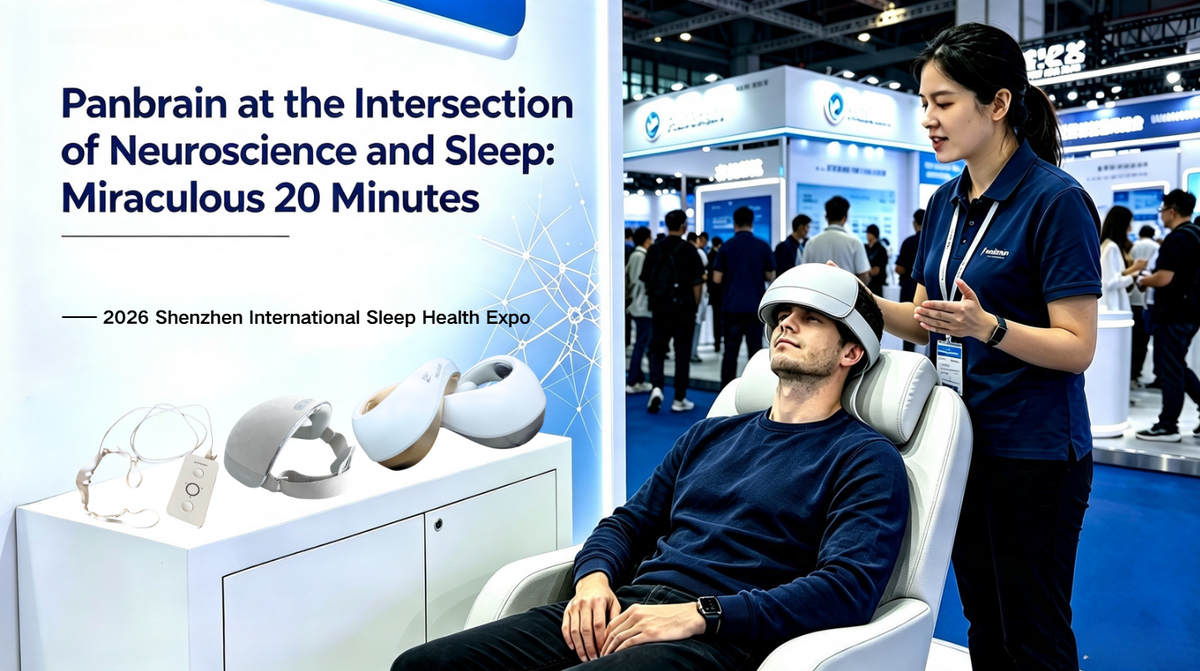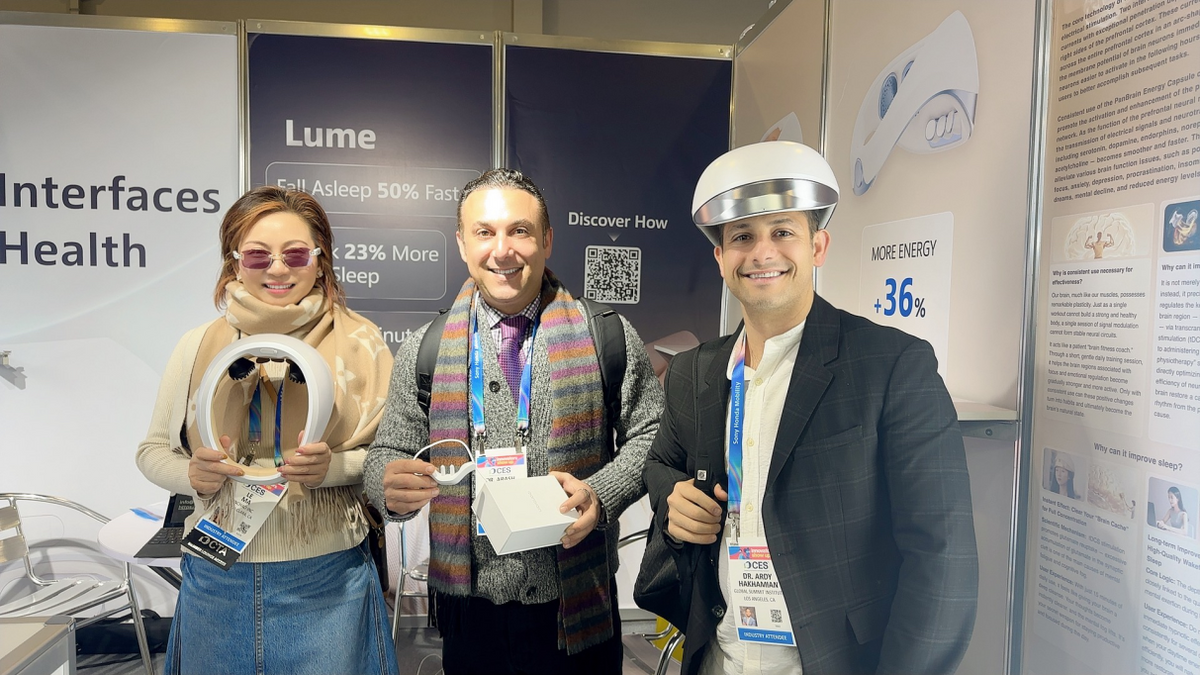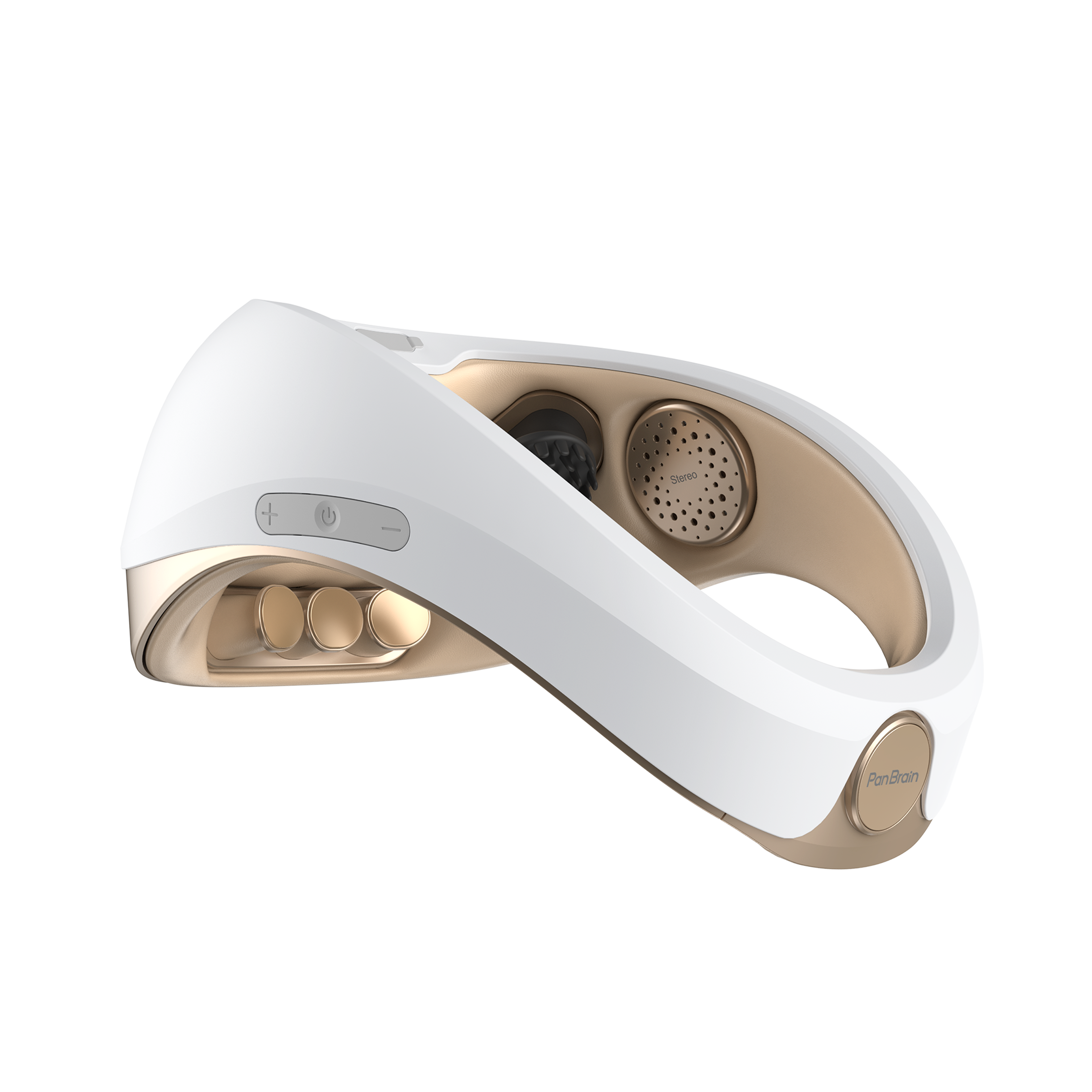
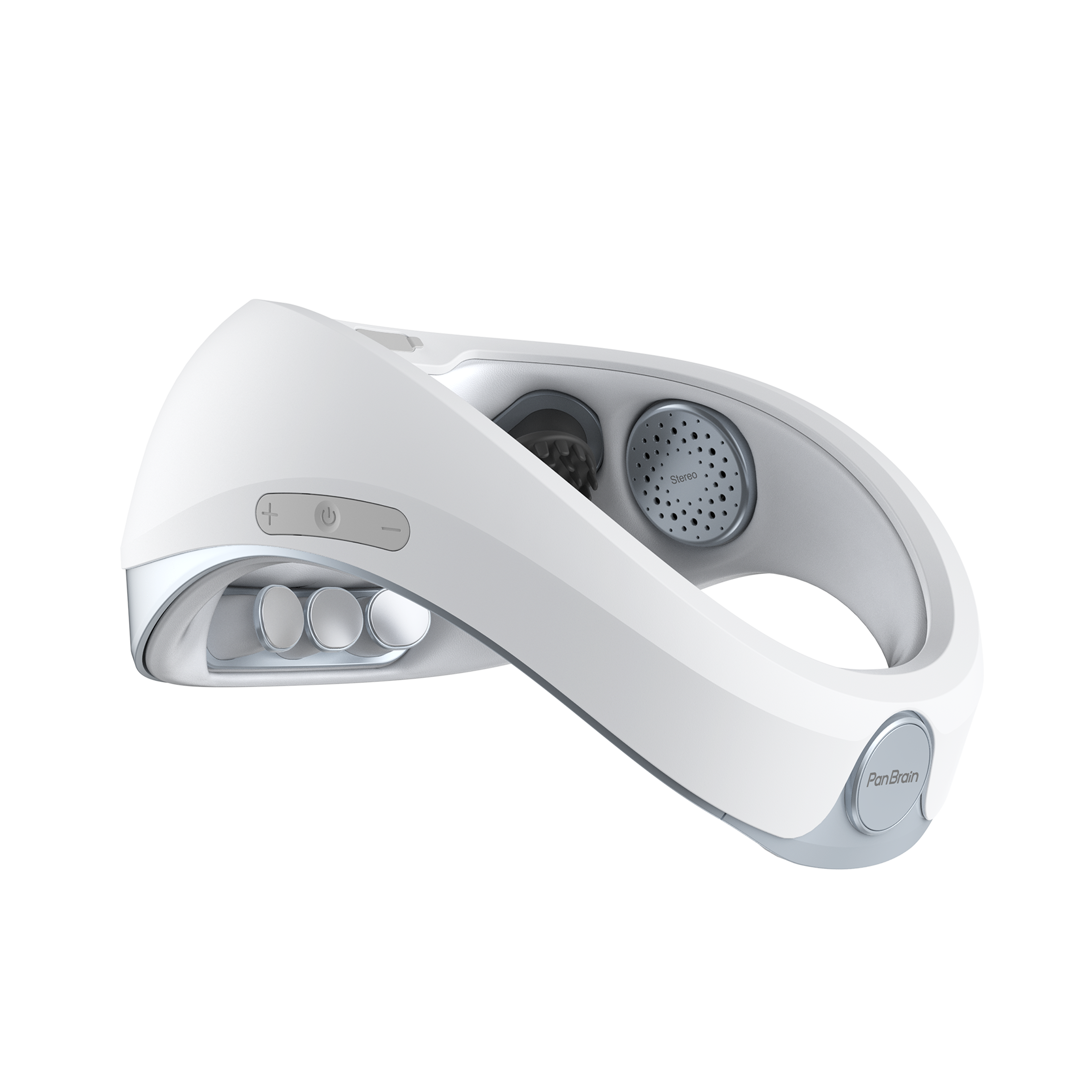
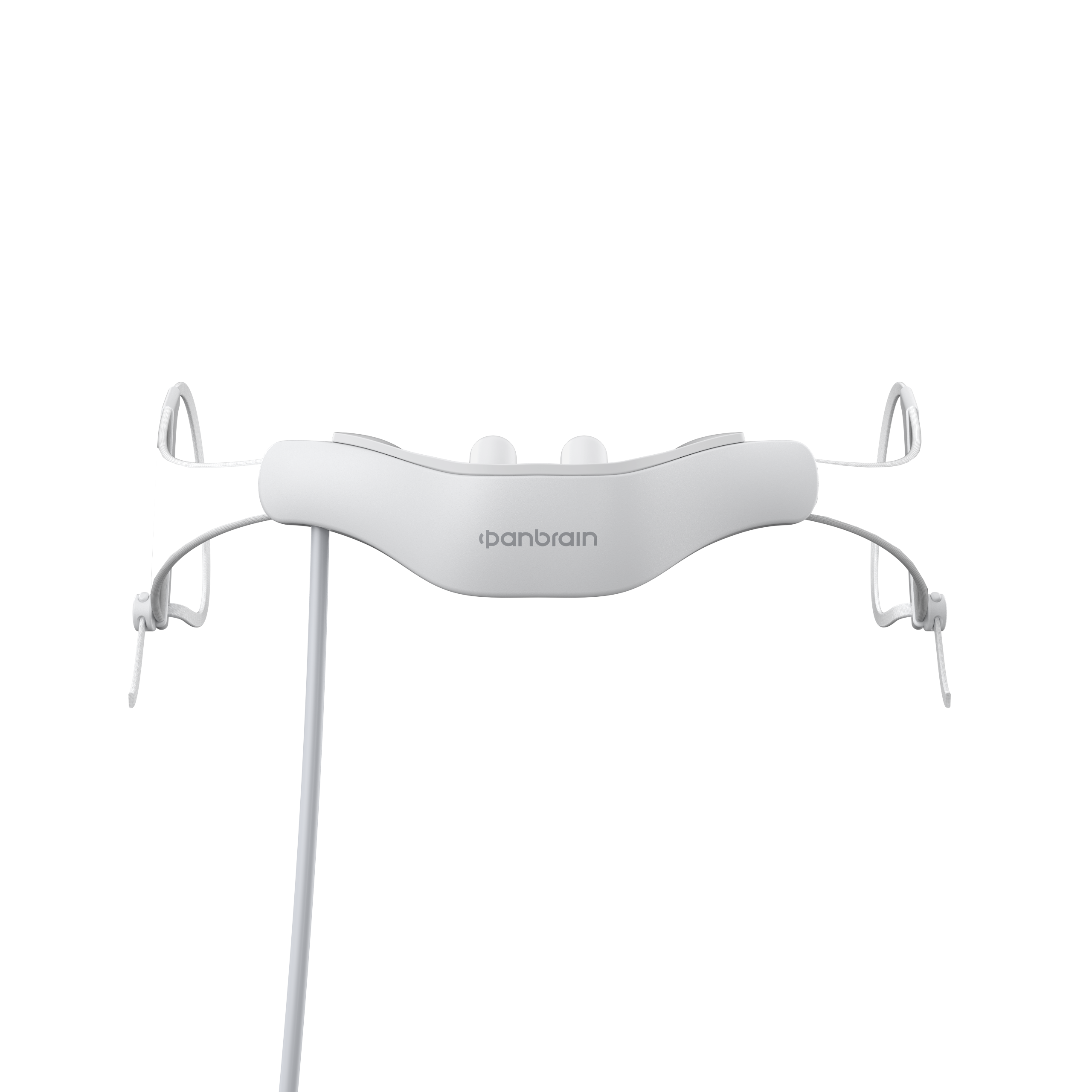

Wuhan, China — Recently, Panbrain Technology and Tongji Hospital (affiliated with Tongji Medical College of Huazhong University of Science and Technology, hereafter "Wuhan Tongji Hospital") officially signed a strategic cooperation agreement. The two parties will engage in deep collaboration surrounding portable, non-invasive Brain-Computer Interface (BCI) technology. By focusing on the integration of Transcranial Direct Current Stimulation (tDCS) and Photobiomodulation (PBM), the partnership aims to achieve breakthroughs in cognitive enhancement, sleep quality improvement, and brain injury rehabilitation—truly bringing cutting-edge neuroscience from the lab into everyday households.

A Powerhouse Union: Bridging the Gap from Lab to Living Room
As a frontier of global technological competition, BCI technology has long faced the challenges of "high barriers, high costs, and high risks." Panbrain Technology, founded by a Yale University postdoctoral fellow in psychiatry, focuses on the R&D and consumer-grade application of non-invasive BCI devices, bringing profound technical expertise and productization capabilities to the table. Meanwhile, Wuhan Tongji Hospital is a premier medical institution in China with vast clinical resources and research prowess in neuroscience and rehabilitation medicine.
This partnership seeks to bridge the entire chain—from "R&D to Clinical Validation to Home Application." The goal is to take brain modulation technologies, once confined to hospital settings, and transform them into safe, portable, and user-friendly tools for home use.
Technical Synergy: The Dual Power of tDCS + PBM
Panbrain’s core technical path focuses on the synergistic application of two non-invasive modulation methods:
- tDCS (Transcranial Direct Current Stimulation): By applying weak electrical currents to regulate the excitability of cortical neurons, this method non-invasively influences brain functional networks. It is widely recognized for its positive effects on cognitive functions like attention and memory.
- PBM (Photobiomodulation): Using specific wavelengths of near-infrared light to penetrate the skull, PBM acts on the mitochondria of brain cells. This promotes cellular energy metabolism, improves local microcirculation, and offers anti-inflammatory and neuroprotective benefits.
The combination of these two technologies creates a synergistic mechanism of "Electrical Modulation + Light Repair," enabling comprehensive intervention in brain function from both neurophysiological and cellular metabolic dimensions.
Three Core Applications: Addressing Societal Needs
Based on clinical demand, the collaboration will focus on three primary scenarios:
- Cognitive Enhancement: Targeting students, high-pressure professionals, and the elderly. Portable devices will stimulate key cognitive areas like the prefrontal cortex to boost focus, memory, and executive function, providing scientific support for high-intensity learning and work.
- Sleep Quality Improvement: Addressing common issues such as insomnia, light sleep, and insufficient deep sleep. By using non-invasive tech to regulate neural networks related to sleep rhythms and promote neurotransmitter balance, the devices guide users into a natural, deep sleep state, addressing health issues at the root.
- Brain Injury Rehabilitation: Serving patients with mild traumatic brain injury, stroke sequelae, or neurodegenerative changes. Regular home use can assist in neuroplasticity remodeling and functional recovery of damaged areas, offering a clinical extension that reduces the cost and burden of frequent hospital visits.
A New Paradigm for Home Brain Health
"The ultimate value of BCI technology lies not in how 'cool' it is, but in whether it truly benefits ordinary people," said Dr. Nailin Yao, founder of Panbrain Technology. "Our partnership with Wuhan Tongji Hospital provides us with strong support in clinical validation and scientific rigor. We are confident that we will soon launch a series of safe, effective, and easy-to-use home products."
Wuhan Tongji Hospital noted that this collaboration is a vital practice of their "Med-Eng Cross-Innovation" strategy. The hospital will leverage its clinical advantages to participate in medical validation and iterative optimization, ensuring every technical application stands up to scientific scrutiny.
Technology with a Human Touch: BCI for Every Household
With an aging population and the mounting pressures of modern life, the demand for cognitive and sleep health has never been more urgent. The partnership between Panbrain Technology and Wuhan Tongji Hospital does more than explore a path for the consumerization of BCI; it sends a clear signal: High-end technology should not be locked in a lab—it should move into the home and stay close to life.
Looking ahead, both parties will continue to deepen their cooperation, driving technical iterations and product innovation. Their shared vision is to become the pioneers and benchmarks of the non-invasive home BCI industry in China, bringing the benefits of neuroscience to millions of families.