
— A dispatch from the 2026 Shenzhen Sleep Expo
With the deepening implementation of the "Healthy China 2030" initiative, sleep wellness has evolved from an individual concern into a core topic of national health strategy. On June 28, 2026, the Shenzhen International Sleep Health Industry Expo opened at the Shenzhen Convention and Exhibition Center (Futian). Gathering industry experts, enterprise representatives, and frontier institutions from across the country, the expo covered sleep furnishings, smart sleep devices, and health services, aiming to drive high-quality development and innovation in the sleep industry.
At this grand industry event, Panbrain, a Chinese brand focusing on home-use brain health, unveiled its core product matrix, showcasing the exploration and technical strength of non-invasive neuromodulation in the fields of sleep and cognitive wellness

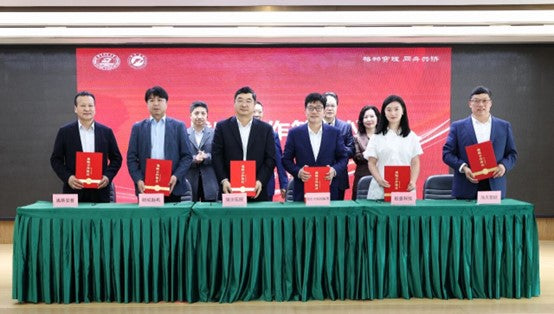
Figure 1: Panbrain's team engaging in deep conversations with visitors.
Decoding the Core Technology: From Precision Modulation to Energy Activation
At the Panbrain booth, three flagship products drew significant attention: the Panbrain Energy Capsule 2nd Generation (Cognition and Energy Editions) and the Panbrain Lume sleep device. This marks the steady translation of Panbrain's years of R&D into everyday application scenarios.

The Energy Capsule: A Closed-Loop System of Monitoring, Modulation, and Acoustics
As the foundation of the product matrix, the Energy Capsule utilizes transcranial direct current stimulation (tDCS). Through targeted electrodes, it delivers a precisely controlled micro-current to the dorsolateral prefrontal cortex. This intervention does not directly trigger neuron firing; instead, it modulates the resting membrane potential, shifting the excitation threshold to make the brain more responsive to core task signals, thereby reshaping neural networks.
Think of the prefrontal cortex as the conductor of an orchestra, controlling the rhythm of the entire piece. tDCS doesn't play the instrument for the conductor; it helps the conductor stay in peak condition. When the conductor is calm, the orchestra performs smoothly. For a person, this translates into clearer thinking and more stable emotions.
Furthermore, the Energy Capsule integrates EEG monitoring to create a personalized closed-loop system: monitor brain activity first, then deliver neuromodulation. Simultaneously, it introduces dual-channel acoustic induction:
Cognition Edition (Blue): Synergizes with binaural Gamma waves (30-80Hz), targeting the prefrontal cortex to help high-intensity knowledge workers maintain focus and working memory.
Energy Edition (Gold): Synergizes with binaural Alpha waves (8-12Hz), focusing on the prefrontal-limbic circuitry to help the brain strip away emotional load under high pressure, maintaining rational judgment and sleep rhythm balance.

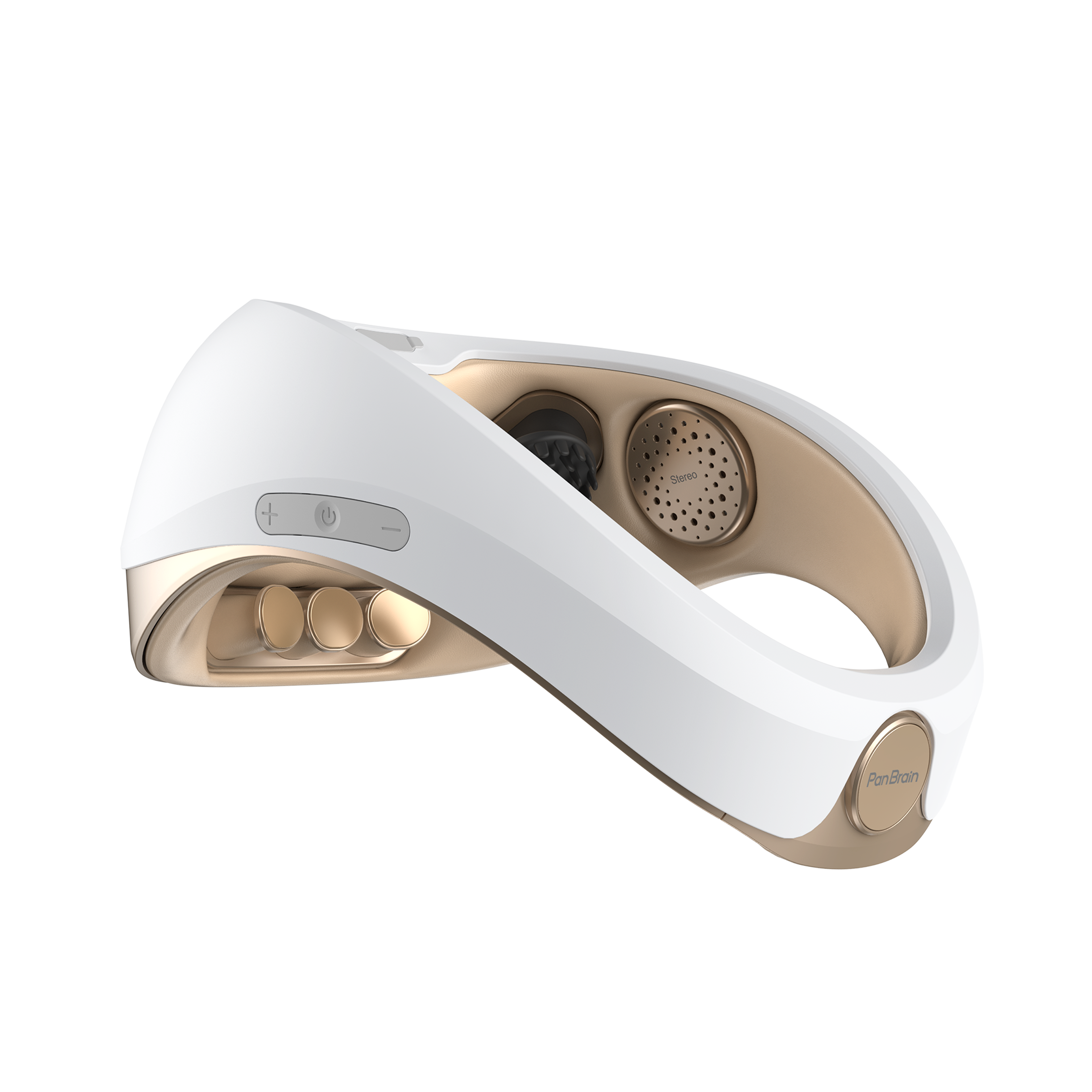
Figure 3: The Panbrain Energy Capsule EC2 on display.
The Lume Sleep Device: Non-Contact Intervention from a Photobiological Dimension.
Unlike the electrical modulation of the Energy Capsule, Panbrain Lume showcases another frontier pathway: photobiomodulation (PBM). Although the brain accounts for a tiny fraction of body weight, it consumes a massive amount of energy. When the brain is over-fatigued, it runs sluggishly, like a smartphone with a dying battery.
Lume delivers specific near-infrared wavelengths to promote ATP production in mitochondria, replenishing cellular energy. With sufficient energy, the brain can better regulate the circadian rhythms disrupted by modern lifestyles. The device is lightweight and portable, offering three modes: daytime energy, midday nap, and pre-sleep relaxation. Its innovative design attracted a large number of visitors to stop and experience it.

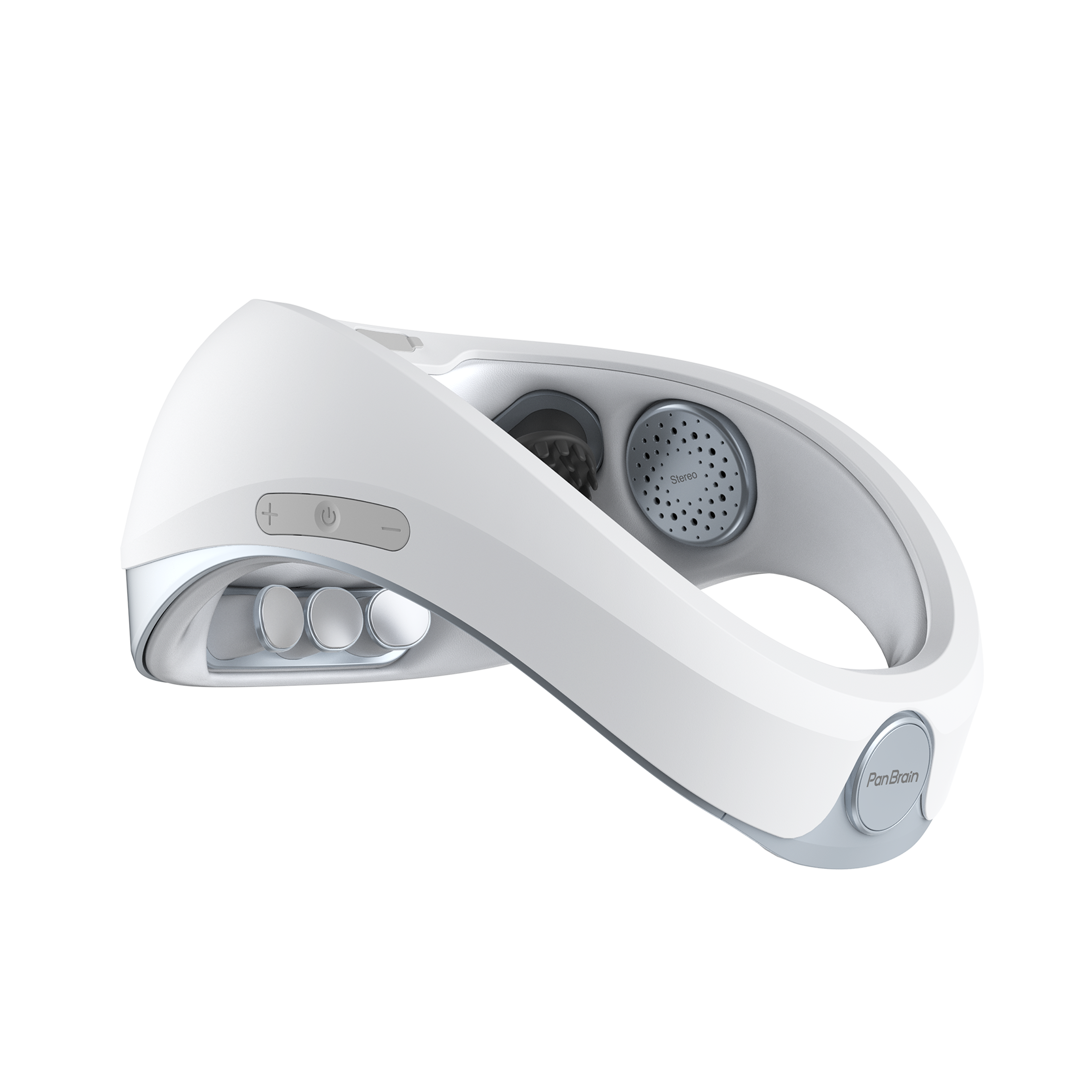
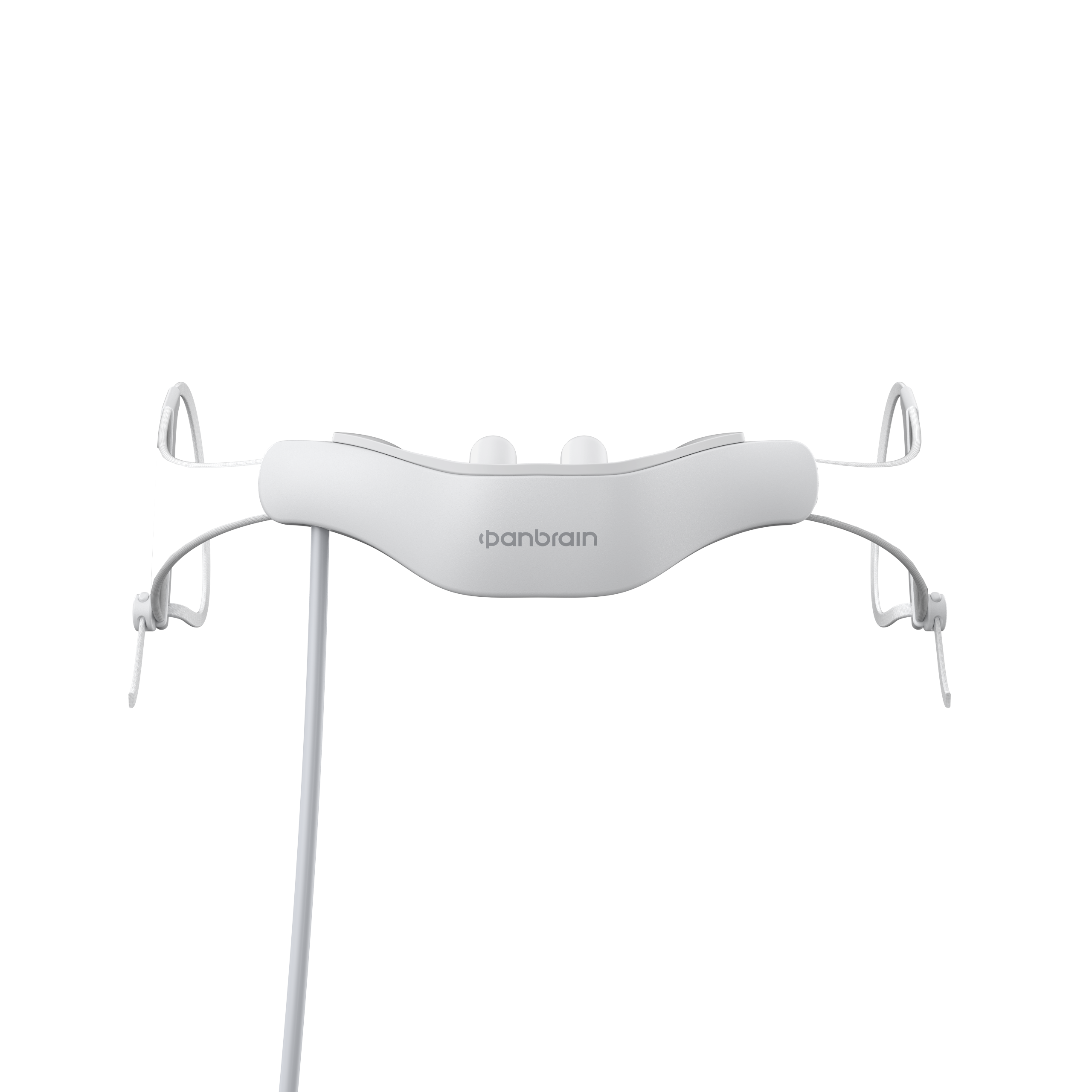
Figure 4: The Panbrain Lume sleep device on display.
It is worth noting that Panbrain's core underlying technology—the tDCS device—is among the first batch of home-use tDCS equipment in China to receive Class II Medical Device Certification. This medical-grade qualification not only validates the rigor of our R&D and quality control systems but also provides solid technical support for the safety and reliability of our consumer products.
On-Site Experience Record: A Journey into Deep Neural Relaxation
At the exhibition, the most authentic test always comes from real user feedback.
During the expo, a middle-aged man, exhausted from continuous high-intensity work, visited the Panbrain booth. Guided by our staff, he wore the Energy Capsule for a standard session of neuromodulation.
As the micro-current precisely modulated his prefrontal cortex, the visitor's tension began to ease. After the session, he felt his scalp was relaxed, and his mind was noticeably clearer and lighter. In reality, long-term mental burnout made it difficult for him to achieve high-quality rest—even after waking up, he felt fatigued. That brief 20 minutes allowed him to experience a long-lost sense of relief and physical comfort.
This on-site feedback vividly demonstrates the concrete role of neuromodulation technology in helping the brain rebuild its rhythm and enter a state of deep relaxation.

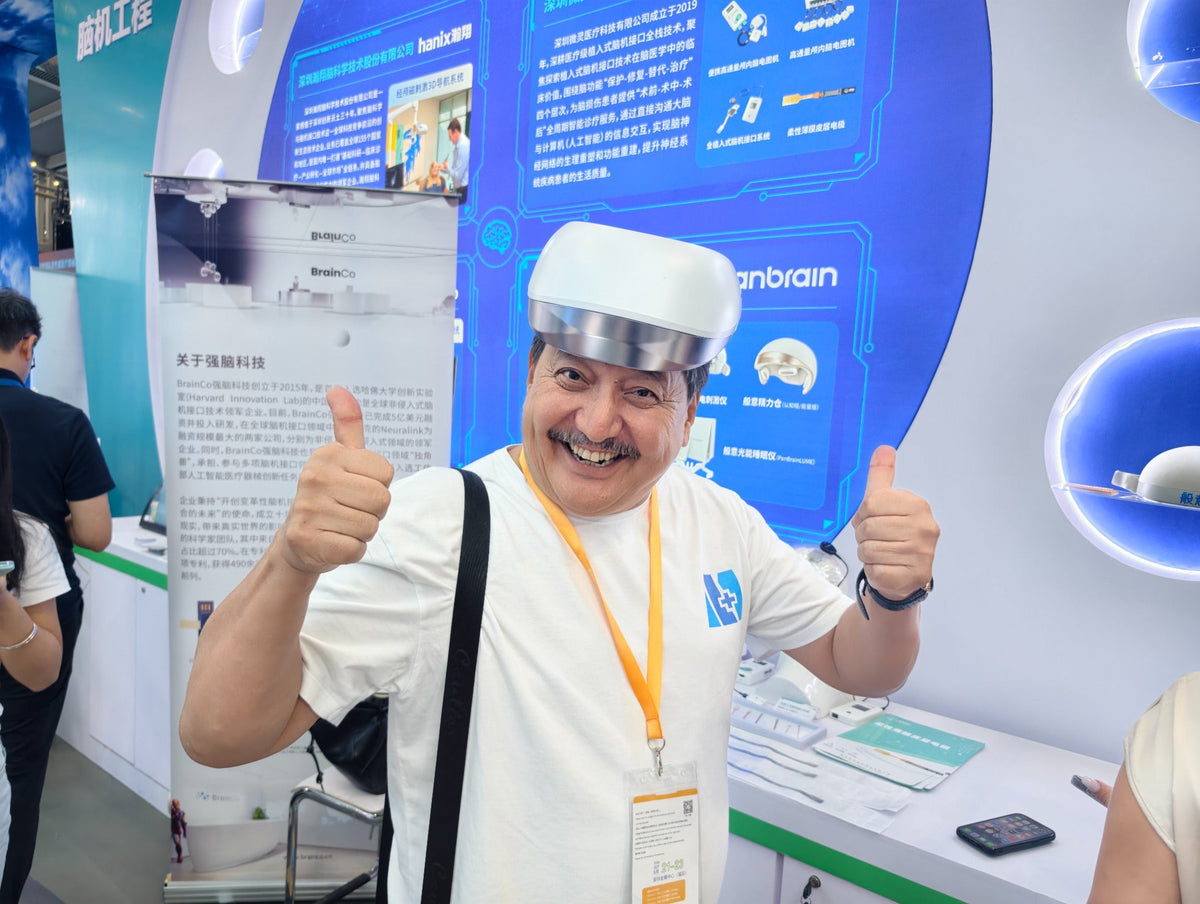
Figure 5: A visitor experiencing deep relaxation for about 20 minutes with the Panbrain Capsule.
Reshaping Neural Pathways: Rediscovering the Essence of Sleep
Traditional sleep aids often focus on improving the physical environment—softer pillows, dimmer lights, or white noise. Panbrain's technological logic, however, relies on physical intervention to fundamentally support the brain in building better neural pathways.
The sustained stimulation of tDCS on the prefrontal cortex is not just a temporary adjustment; it physically strengthens the synaptic connections of frontal neural circuits. Every intervention reinforces the brain's "information highways." When this neuroplasticity is activated, even after disconnecting from the device, the brain can autonomously maintain high-level functioning and high-quality sleep through its reshaped neural networks.
The value of neuromodulation technology lies not only in its cutting-edge nature but in its universal ability to genuinely improve human quality of life. With a rigorous scientific attitude and medical-grade quality control standards, Panbrain is providing a scientific, safe, and seamless next-generation brain wellness solution for those struggling with disrupted sleep rhythms and mental fatigue.
Disclaimer
This article is an event report and educational content about brain wellness. It does not constitute medical advice or a promise of product efficacy. The studies mentioned are from related fields and do not equate to clinical conclusions for this specific product. For issues related to sleep, mood, or attention, please consult a healthcare professional. Product indications, contraindications, and precautions are subject to the official registration certificate, user manual, and actual qualifications.References
References
Wang, J., Wu, J., Liu, J., Meng, Y., Li, J., Zhou, P., Xu, M., Yan, Q., Li, Q., Yin, X., & Gong, Y. (2023). Prevalence of sleep disturbances and associated factors among Chinese residents: A web-based empirical survey of 2019. Journal of Global Health, 13, 04071.
Stagg, C. J., & Nitsche, M. A. (2011). Physiological basis of transcranial direct current stimulation. The Neuroscientist, 17(1), 37–53.
Dedoncker, J., Brunoni, A. R., Baeken, C., & Vanderhasselt, M.-A. (2016). A systematic review and meta-analysis of the effects of transcranial direct current stimulation over the dorsolateral prefrontal cortex in healthy and neuropsychiatric samples: Influence of stimulation parameters. Brain Stimulation, 9(4), 501–517.
Qiu, X., He, Z., Cao, X., & Zhang, D. (2023). Transcranial magnetic stimulation and transcranial direct current stimulation affect explicit but not implicit emotion regulation: A meta-analysis. Behavioral and Brain Functions, 19, Article 15.
Salehpour, F., Gholipour-Khalili, S., Farajdokht, F., Kamari, F., Walski, T., Hamblin, M. R., DiDuro, J. O., & Cassano, P. (2020).